
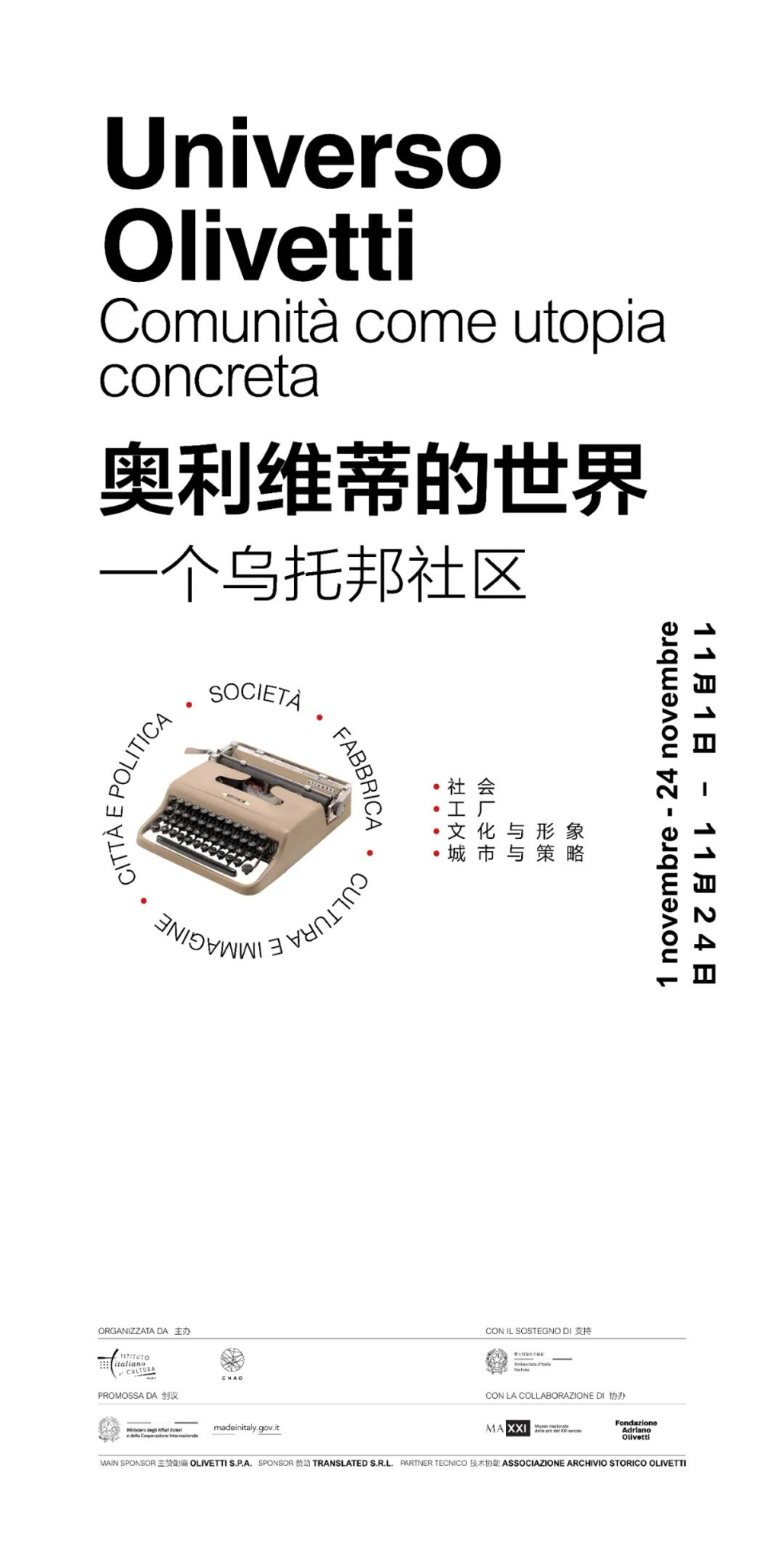
From November 1 to 24, 2023, the Embassy of Italy in China – Cultural Centre and CHAO Art Center jointly presented the exhibition Olivetti’s World: A Utopian Community. The project was organized by the Italian Ministry of Foreign Affairs and International Cooperation in collaboration with the MAXXI Foundation and the Adriano Olivetti Foundation. Curated by Pippo Ciorra (MAXXI Architecture), Francesca Limana, and Matilda Trevisani (Adriano Olivetti Foundation), the exhibition was supported by Olivetti (main sponsor) and Translated (sponsor).
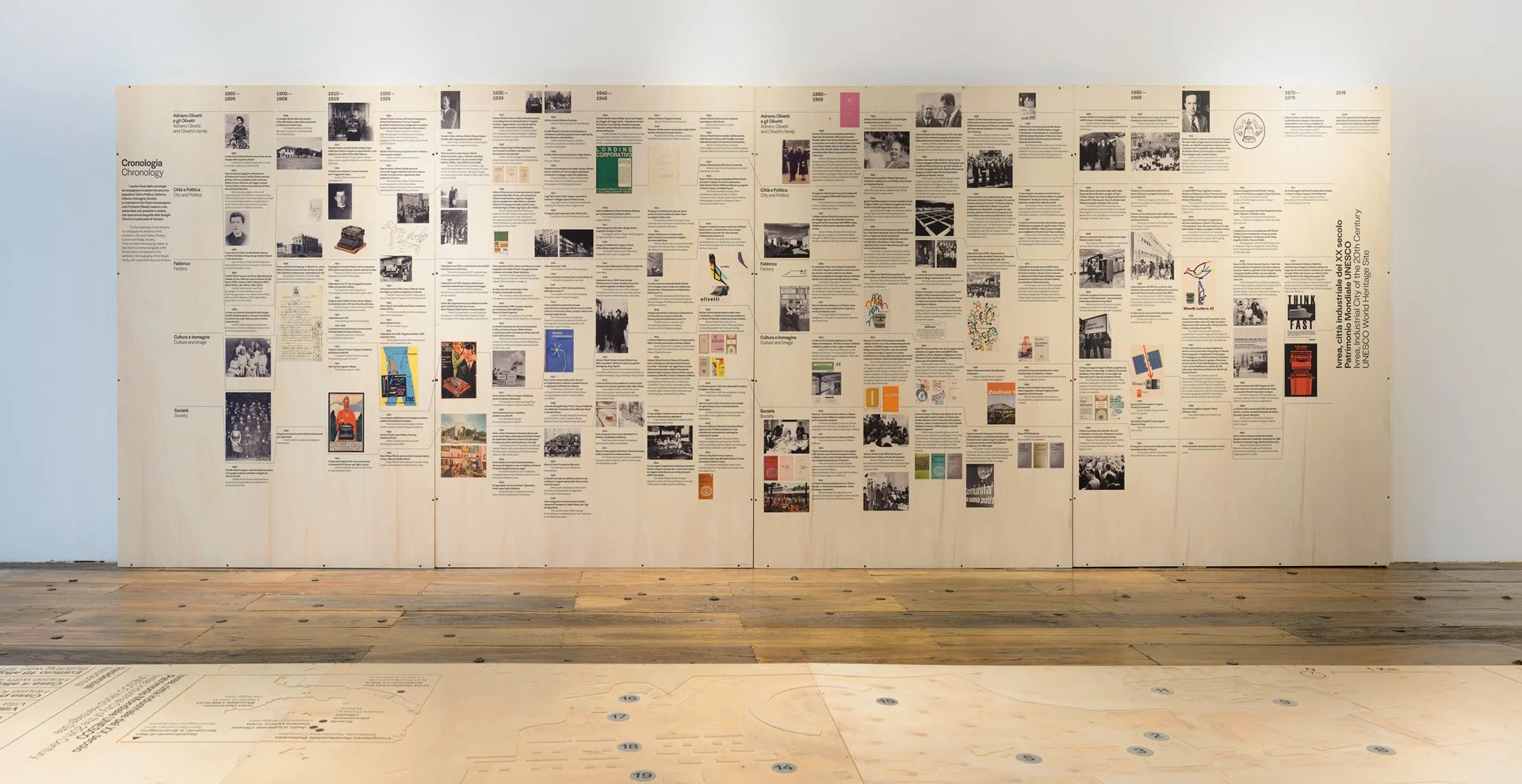
Between the 1920s and the 1960s, through the factories he established in Ivrea and the cultural and policy initiatives promoted by the “Community Movement” he founded, Adriano Olivetti turned a visionary ideal into reality. In his model, industrial and technological modernization was closely intertwined with an innovative reorganization of regional and social space. As a result, Ivrea and the Canavese area became a laboratory in which culture, research, design, architecture, and sustainability converged—forming a pioneering model of relations between enterprise and society that continues to be regarded as exemplary today.
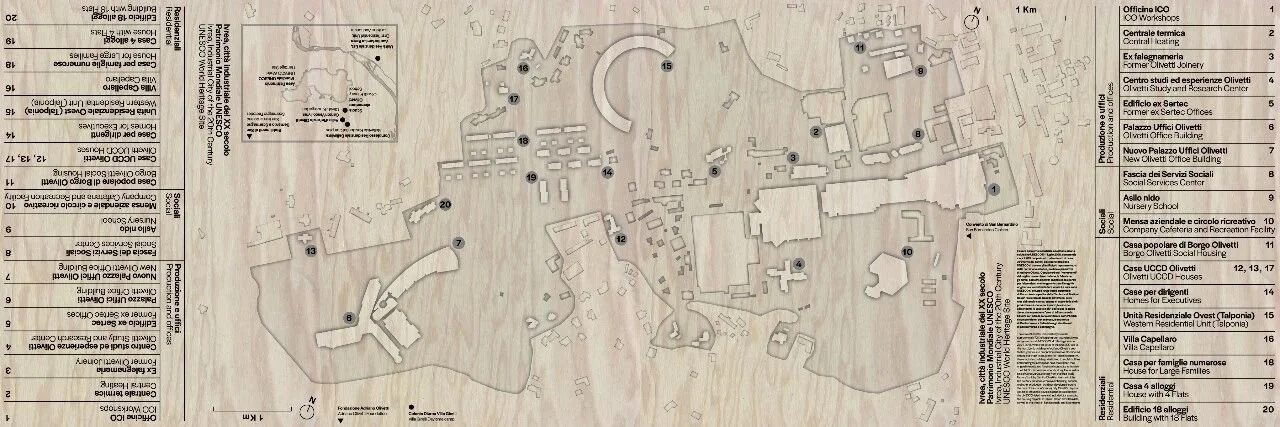
Ivrea, the 20th-Century Industrial City
The legacy of Olivetti—embodied in the company that bears his name—remains influential today. This is underscored by the recent inscription of the “Ivrea, Industrial City of the 20th Century” and its major architectural works on the UNESCO World Heritage List. Together, these developments provide the impetus for the exhibition Olivetti’s World: A Utopian Community, which visually presents the history and experience of Olivetti and its enduring cultural model.
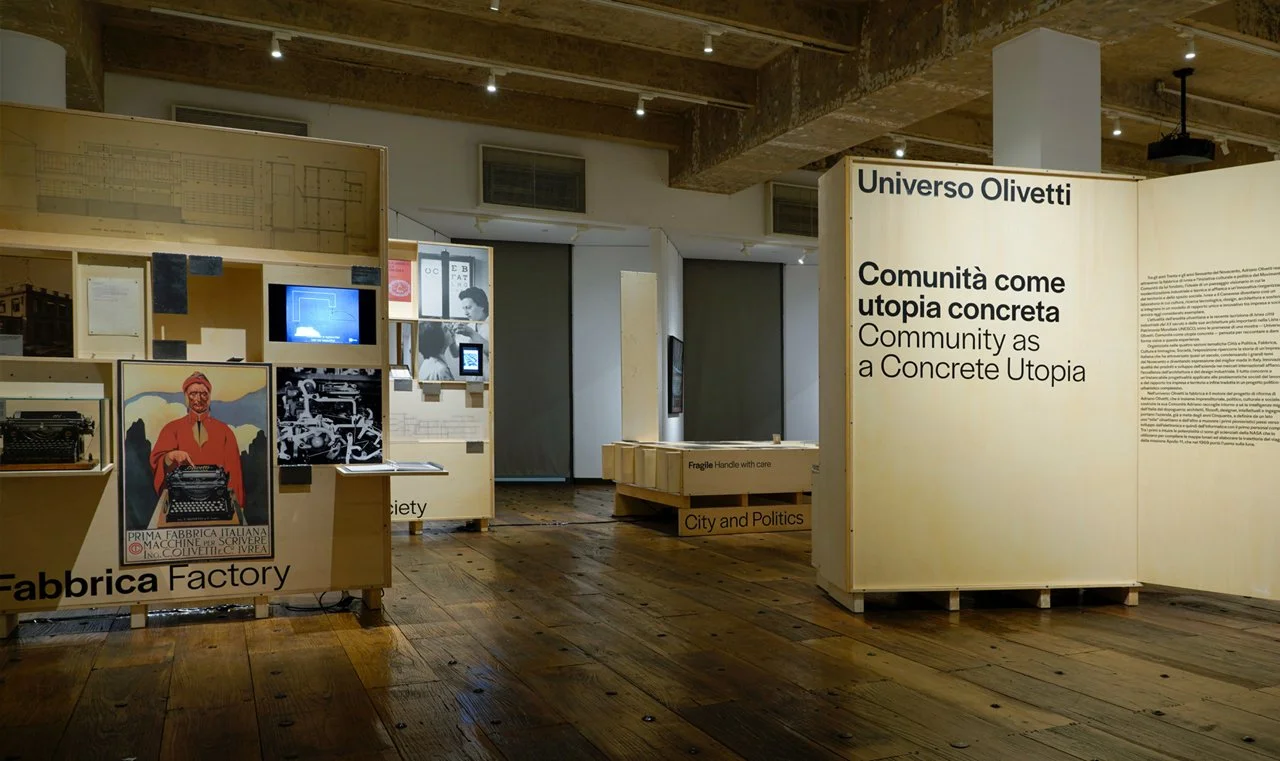
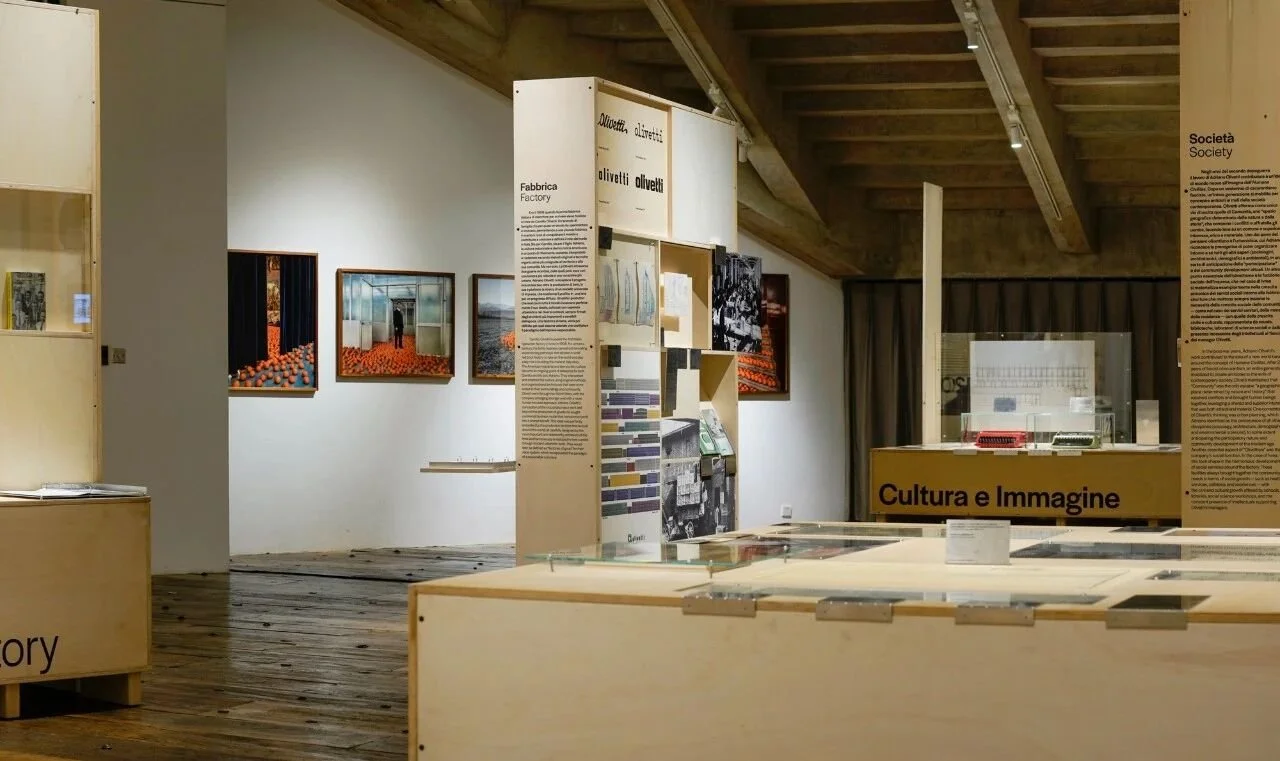
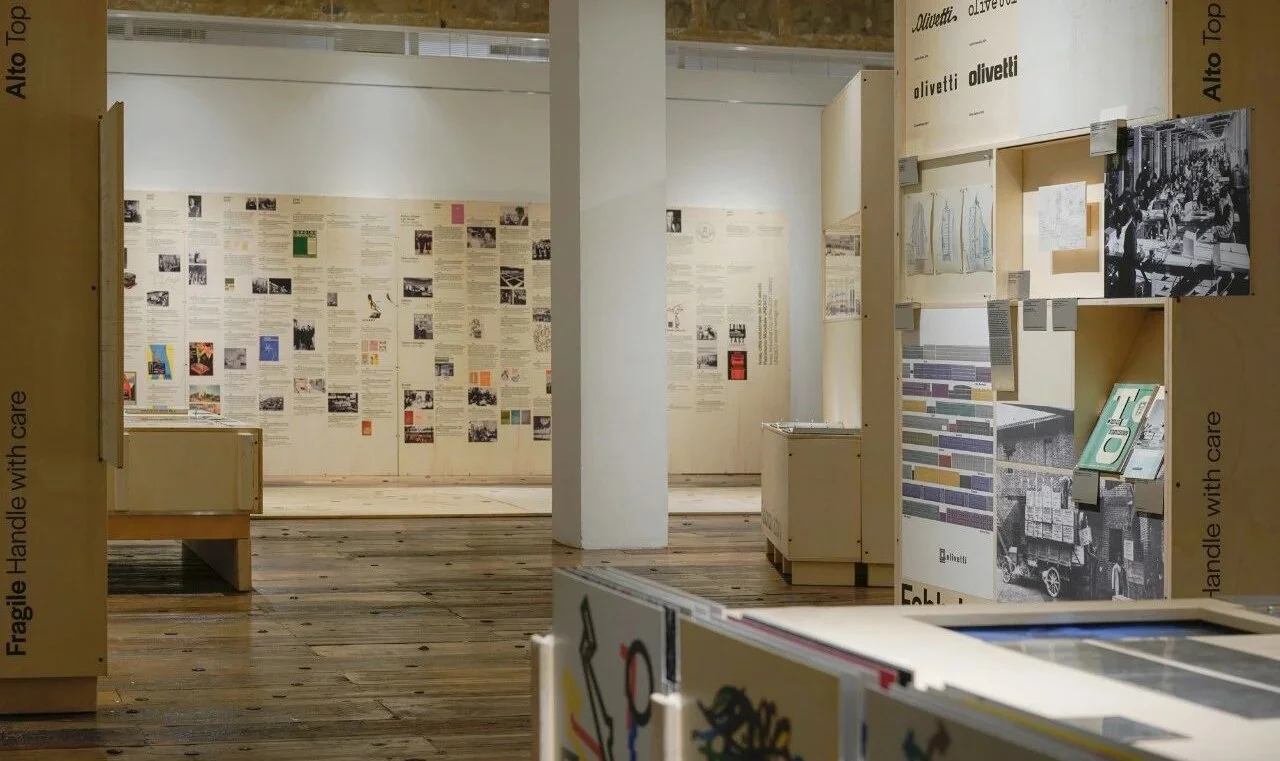
The exhibition is organized around four thematic sections—City and Strategies, Factories, Culture and Image, and Society. Together, they trace nearly a century of history of an Italian company whose trajectory encapsulates major themes of the twentieth century and stands as a quintessential symbol of Made in Italy. Innovation, product quality, and the company’s global expansion were interwoven with architectural excellence and industrial design. Its persistent commitment to planning was applied to addressing social issues related to work and to shaping the relationship between the enterprise and its surrounding territory—an approach that ultimately evolved into a comprehensive policy and urban planning project.
The exhibition features a photographic project commissioned to four photographers—Luca Combigotto, Claudio Gobbi, Francesco Maddalù, and Valentina Vannicola—each of whom was invited to choose a specific field of interest and a personal visual language. Together, they document the material and immaterial spaces shaped by Adriano Olivetti in Ivrea.
Luca Combigotto
Luca Combigotto is one of Italy’s most important and acclaimed architectural photographers. His work focuses on one of the key buildings from the Olivetti era in Ivrea—the new ICO complex designed by Figini and Pollini—highlighting its architectural significance. In his practice, photography becomes a tool for interpreting urban space, abstracting its formal qualities, and capturing the relationship between the architecture and its surrounding environment.
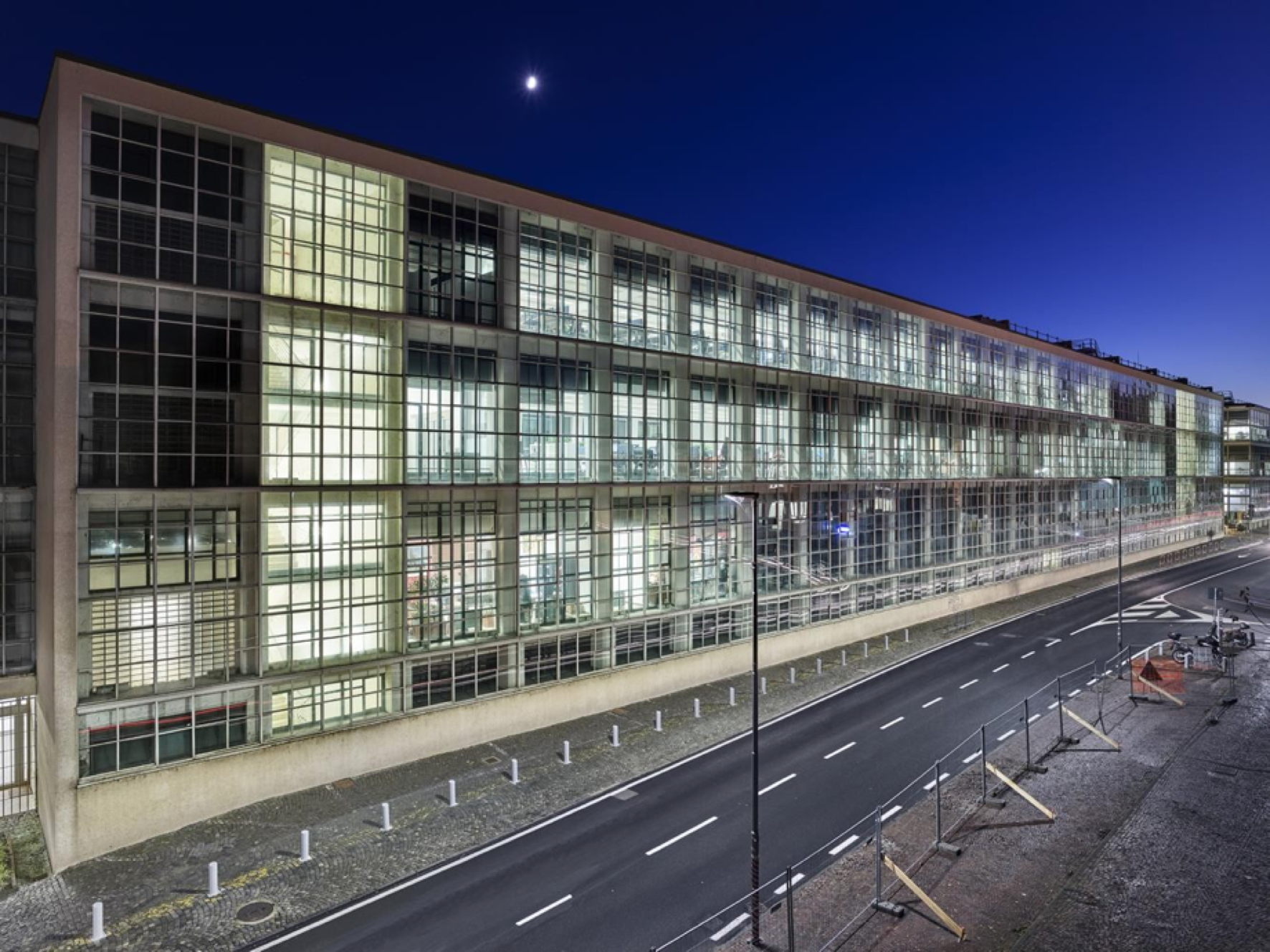
Luca Combigotto, Exterior View of the New ICO Building, Ivrea, 2019
Claudio Gobbi
Claudio Gobbi studied photography in Milan and has received numerous international recognitions. Born in 1971, his research centers on European history and collective memory, exploring the notion of borders through the political and cultural perspectives embedded in architecture and landscape. In his practice, he gravitates toward interior spaces, photographing twentieth-century theatres, old cinemas, and cultural circles—a long-term project that extends from Western Europe to the Caucasus region.
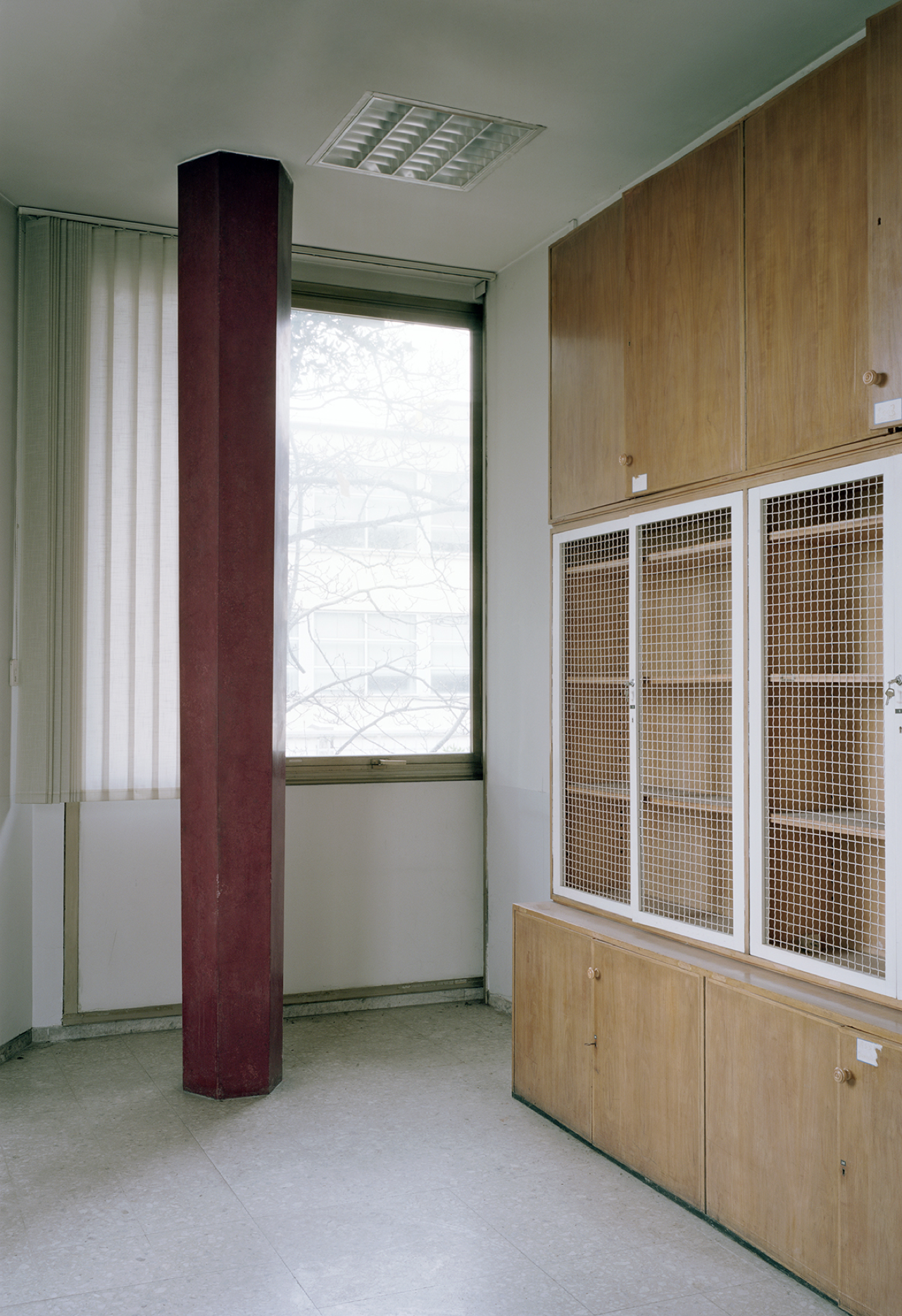
Claudio Gobbi, Ivrea College, 2019
Francesco Maddalù
Francesco Maddalù is a photographer and videomaker whose work explores the relationships between human beings, nature, architecture, and the body. His project in Ivrea investigates the more hidden dimensions of the Olivetti city: the series includes interior scenes, portraits, and architectural details, in which the act of photographing takes on an almost performative quality. Through the camera, Maddalù probes the structure of the buildings—their fractures, their constituent elements, and the life that moves within them.
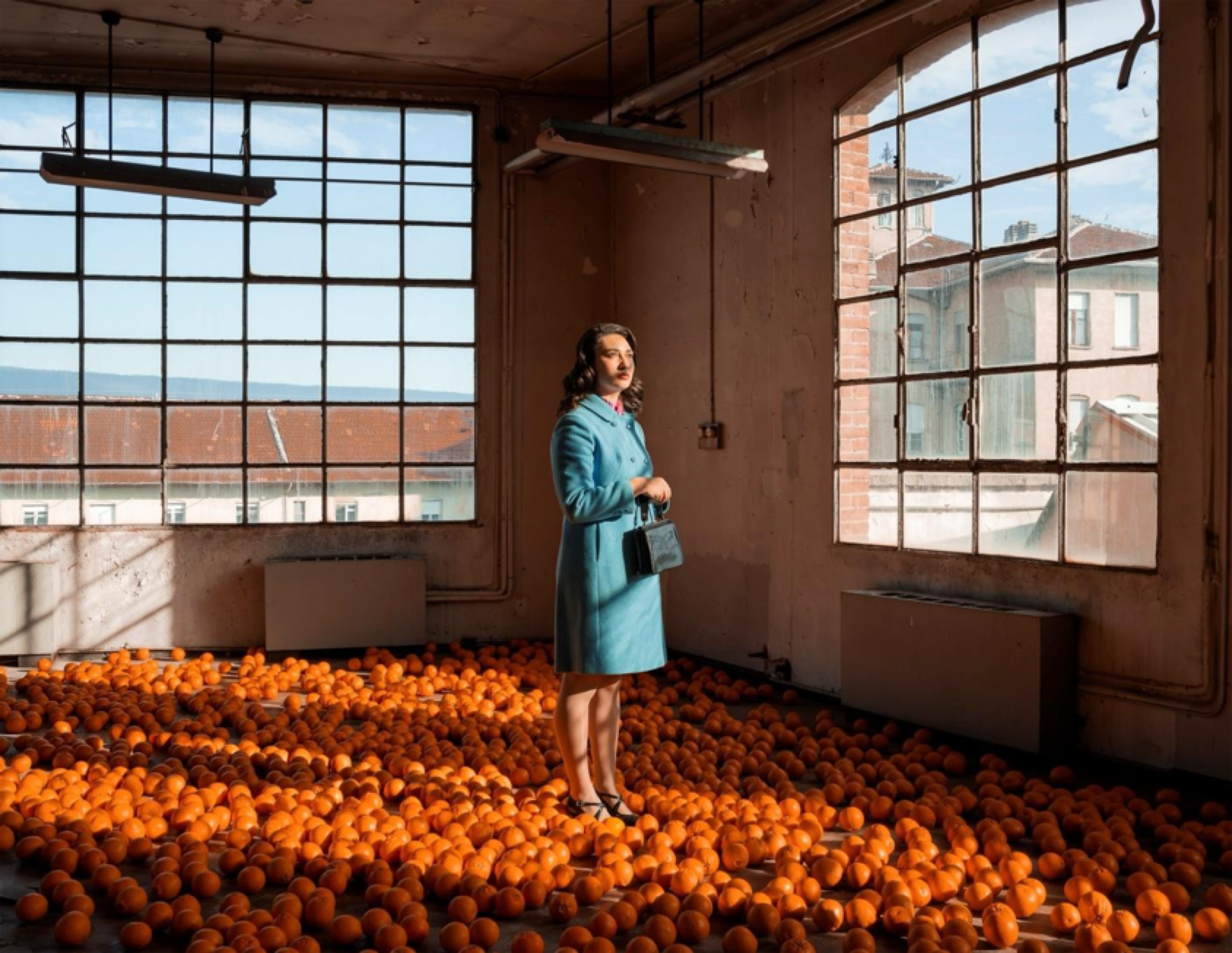
Francesco Maddalù, Untitled, 2019
Valentina Vannicola
Valentina Vannicola, born in 1982, studied Film at Sapienza University of Rome and later earned a diploma from the Rome School of Photography. Her photographic work is deeply influenced by the traditions of cinema, literature, and theatre. Vannicola’s entire artistic practice can be described as a form of “staged photography.”
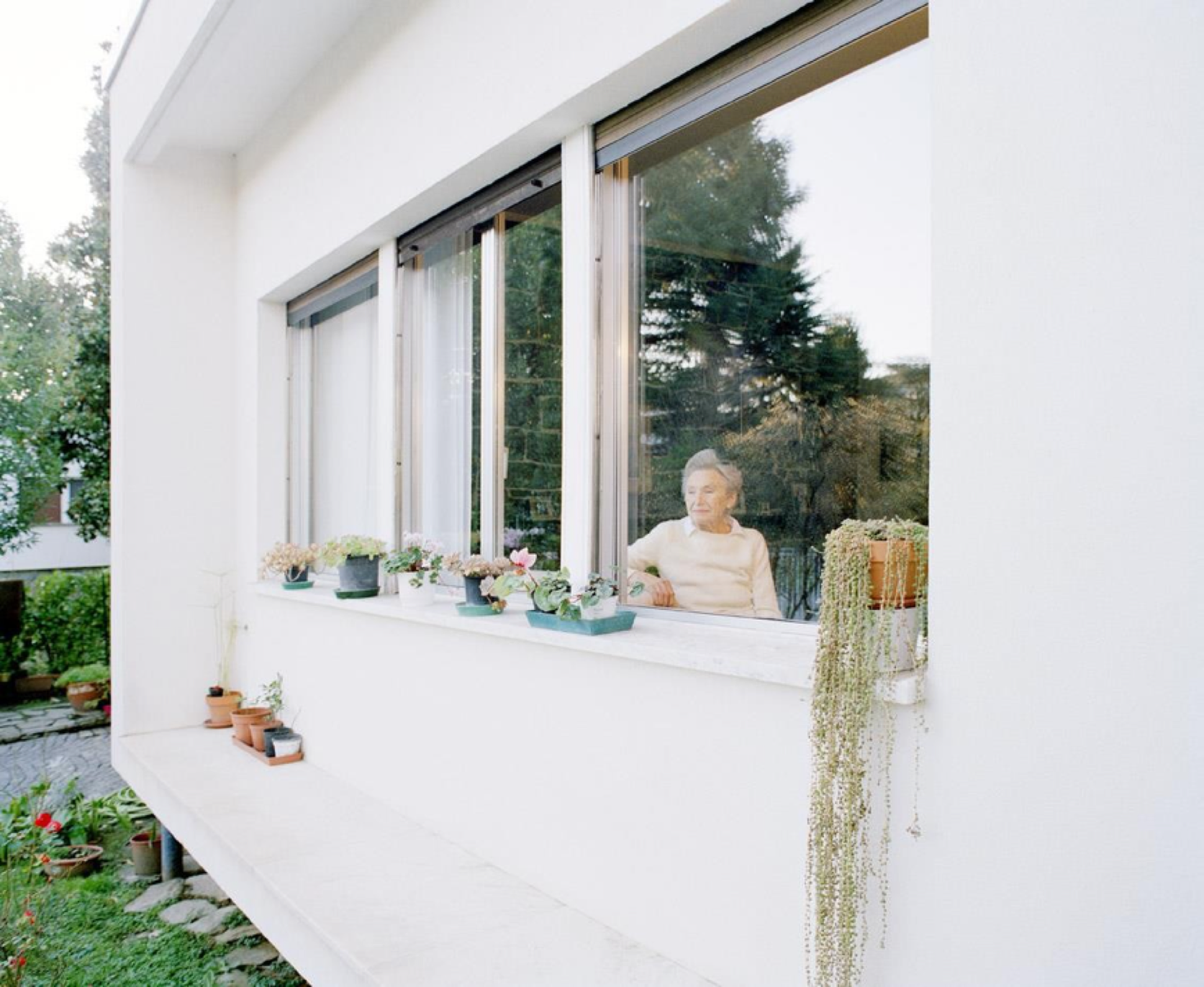
Valentina Vannicola, Untitled, 2019