
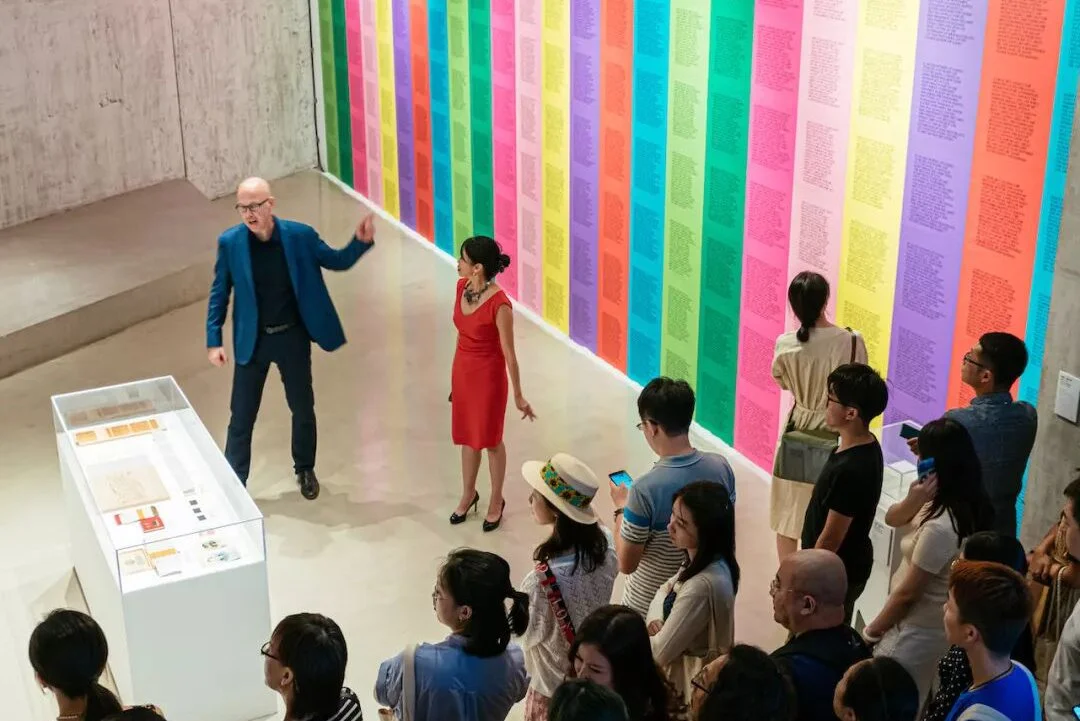
Ways of Seeing is an exhibition that examines the conditions of art’s existence and serves as a statement on art as a mode of display. CHAO Art Center is honored to announce that the 2019 large-scale annual exhibition Ways of Seeing will open on August 16 and run through October 6, 2019. The exhibition brings together 17 renowned contemporary artists and collectives from China and abroad, featuring several “textbook-level” works of art history as well as important pieces being shown publicly in China for the first time.
Following more than a year of discussion and preparation, the exhibition expands beyond the textual narratives of the works themselves to offer a multi-angled presentation, building a deeper visual context that challenges universal concepts in art such as monumentality, innovation, and uniqueness. In doing so, it seeks to explore what it truly means to “see” contemporary art.
The title of the exhibition "The Way of Seeing" is quoted from the book "The Way of Seeing" written by British art critic John Berg in the 1970s, a far-reaching art document that constantly reminds people that "the relationship between what we see and what we know is never fixed". This exhibition extends the presentation from multiple perspectives beyond the text of the works to construct a deep visual context, in order to question the universal concepts and meanings of art such as monumentality, creativity, uniqueness, and so on, so as to explore what is the "Way of Seeing" in contemporary art.
When the works of 17 contemporary artists break the boundaries of time and space and stand arm-in-arm in the same space, like a top symphony orchestra, they emanate great energy, constantly inspiring us to think, learn and understand contemporary art from different perspectives, as well as the way it is presented.
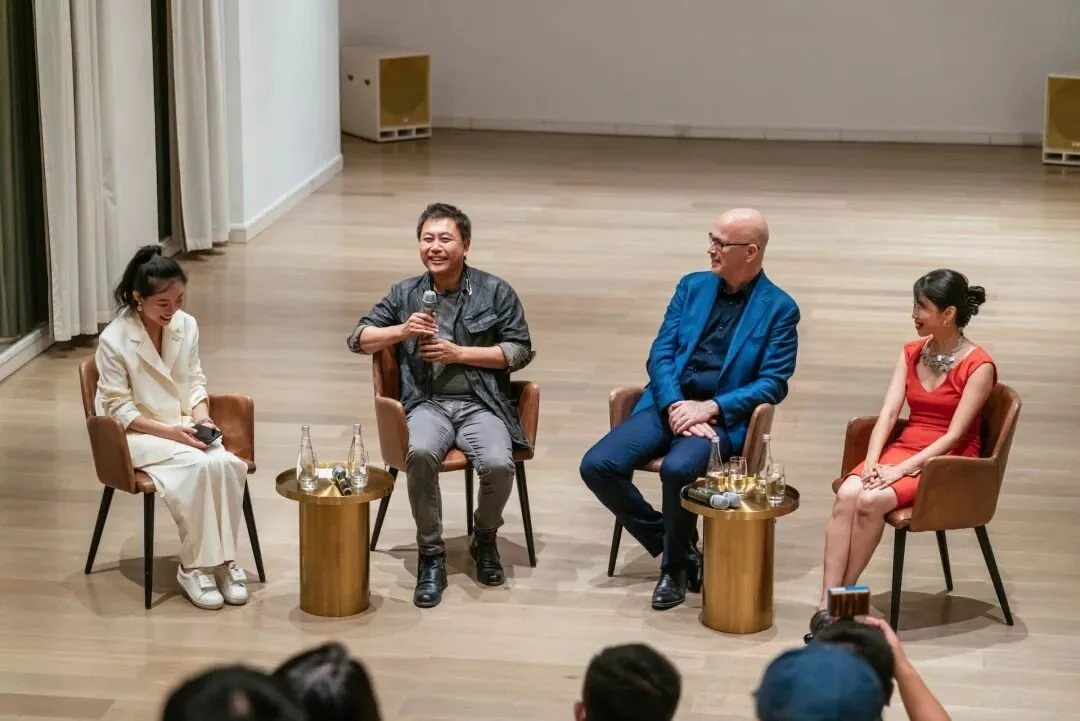
Curator Jonas Stampe and co-curator Xiao Ge guiding visitors through the exhibition.
Exhibiting Artist
Marina Abramović, Ulay | The Great Wall Walk
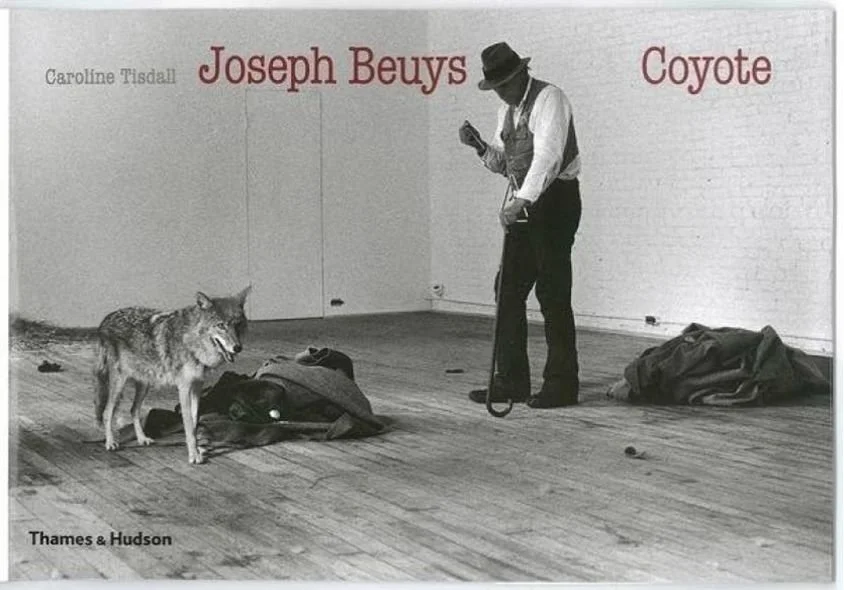
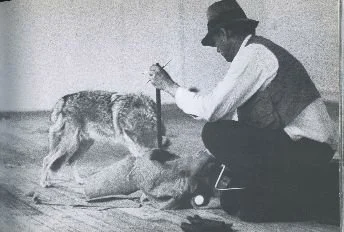
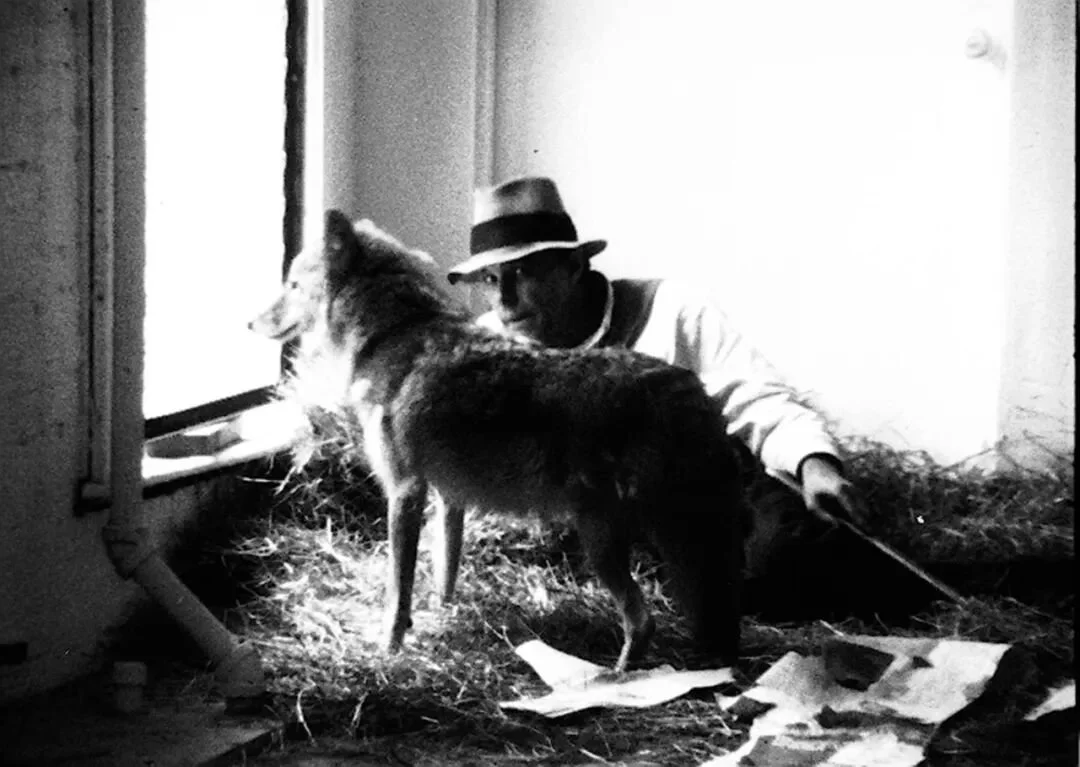
Joseph Beuys
I Love America and America Loves Me, 1974
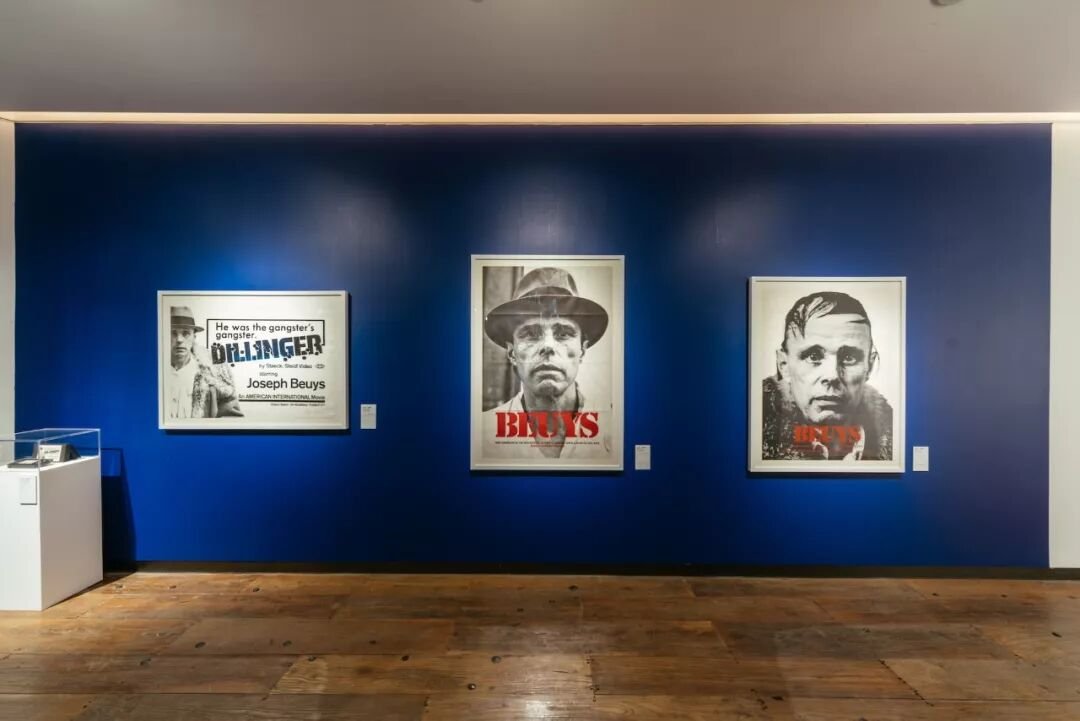
A work being shown in China for the first time, it documents the German artist’s 1974 performance in which he spent three continuous days and nights with a wild wolf cub inside a gallery space in New York.
Curator & Co-curator
Art Director
Producer
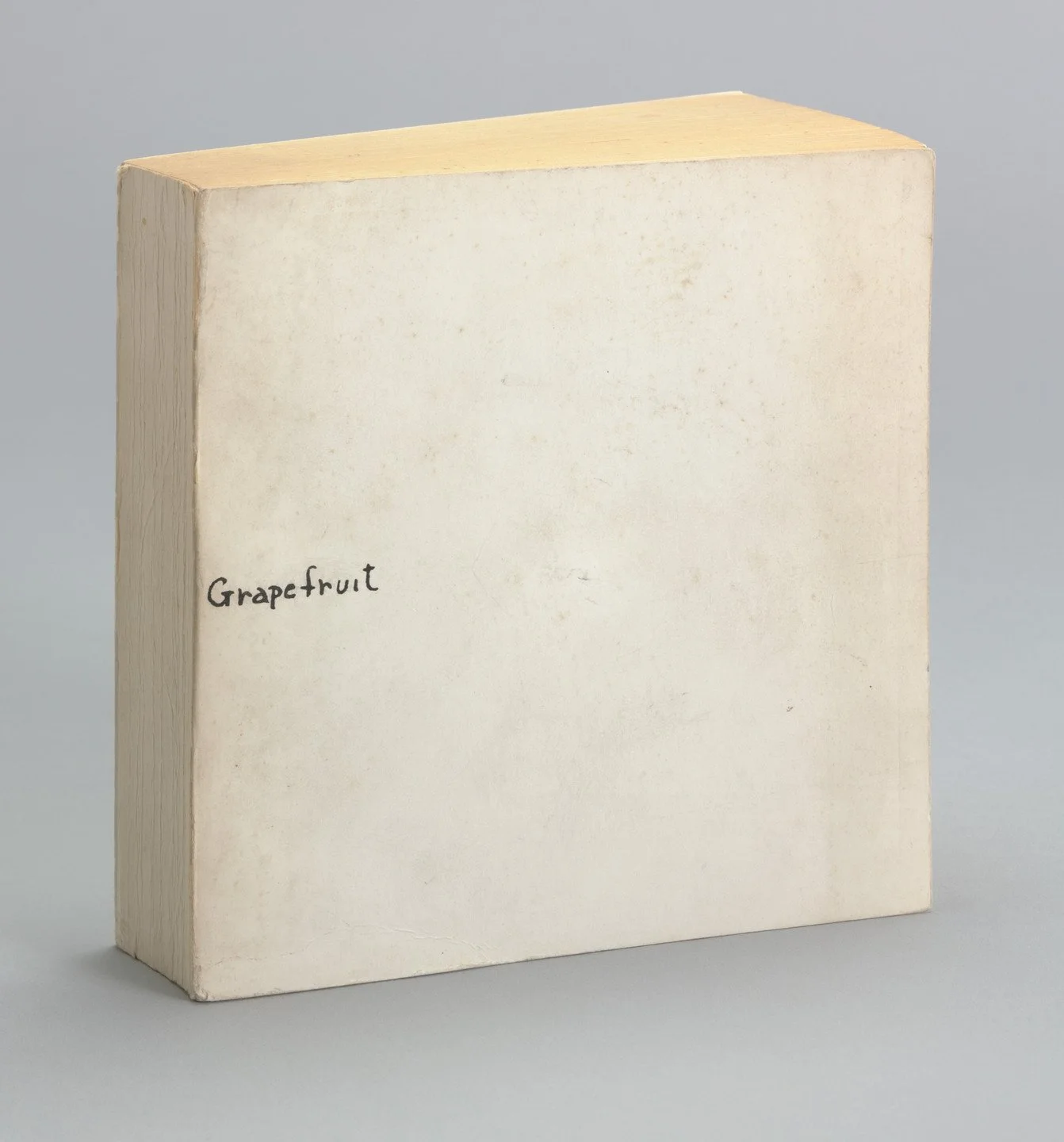
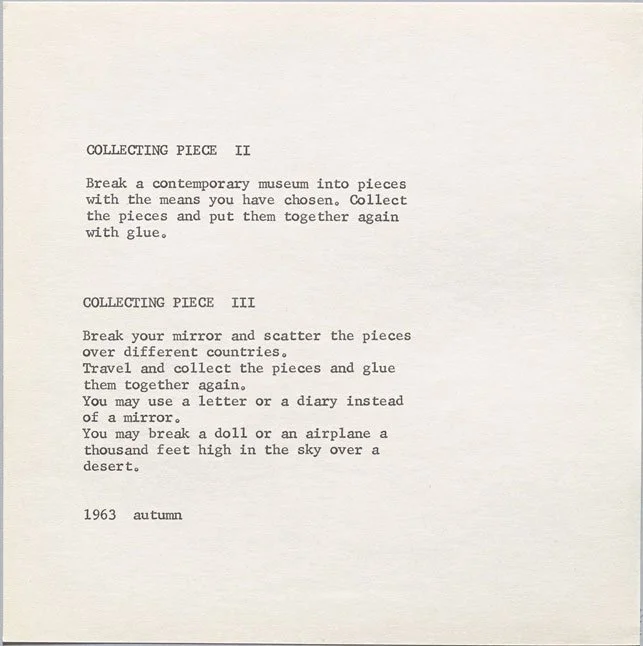
Yoko Ono | Grape Fruit
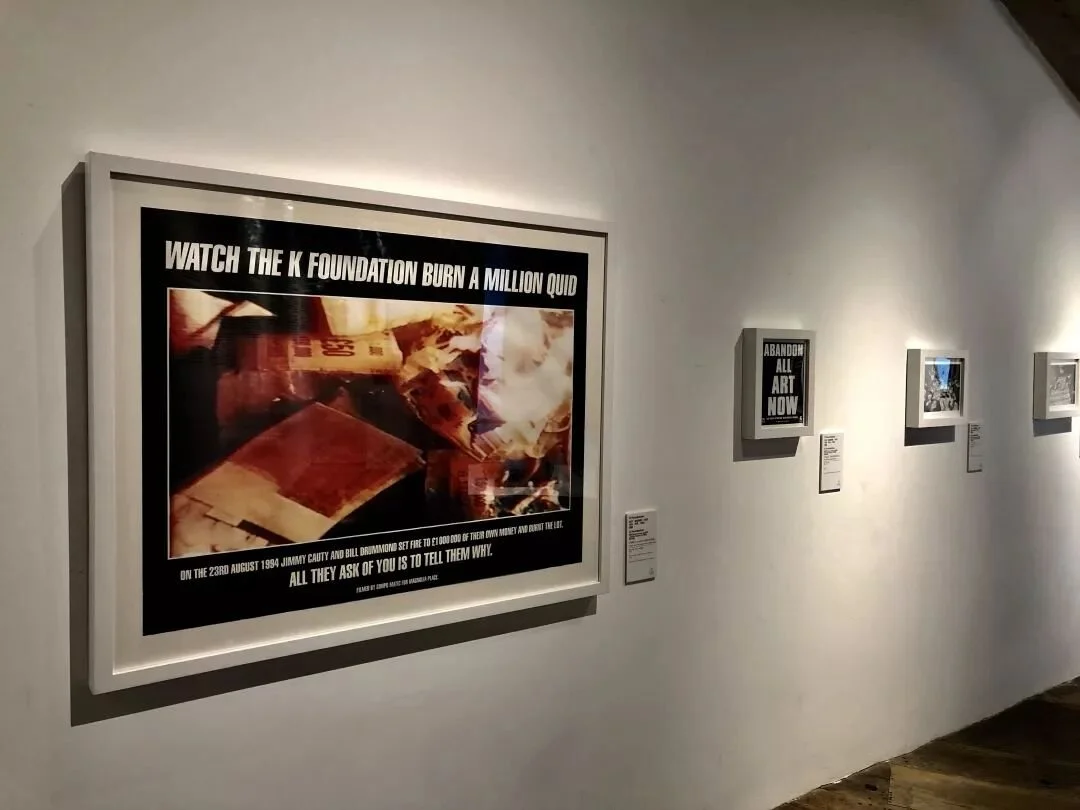
K Foundation | Burn a Million Quid
Banksy
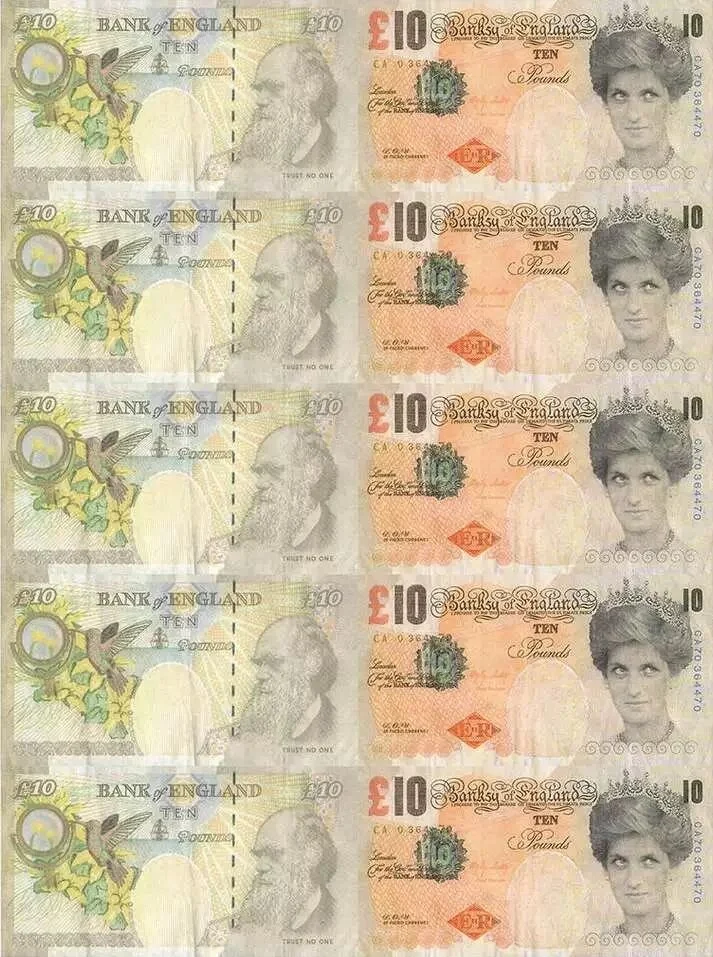
Di-Faced Tenner, 2004
As an indirect homage to the conceptual artwork Burning a Million Quid, the renowned yet anonymous British street artist Banksy created Ten Pound Note with Diana’s Face at the 2004 Notting Hill Carnival—another kind of “million pounds.” He freely handed out these ten-pound “counterfeit notes” amounting to a “total value” of one million pounds, without having to bear any official responsibility for this illegal act.
Marina Abramović
Banksy
Joseph Beuys
Chen Chieh-Jen
Guerrilla Girls
He Yunchang
Jenny Holzer
Huang Rui
Alfredo Jaar
K Foundation
Allan Kaprow
Ana Mendieta
Yoko Ono
Ulay
Wang Guangyi
Wang Qingsong
Xu Bing
Jonas Stampe & Xiao Ge
Yang Jun
Li Ming
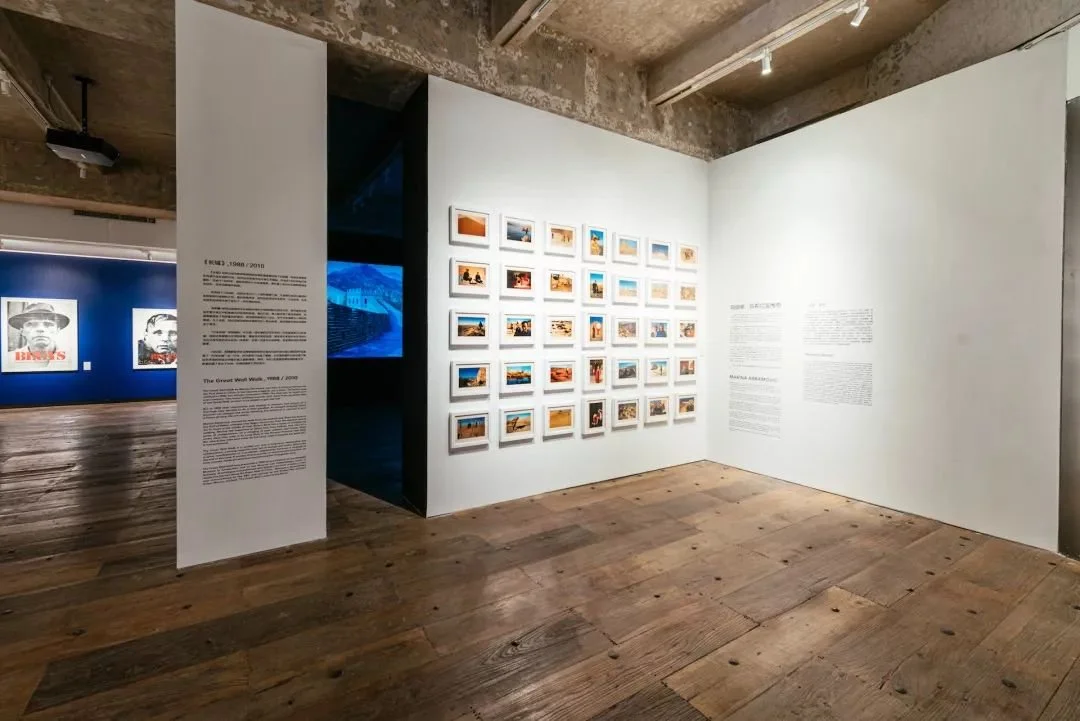
Marina Abramović and Ulay,
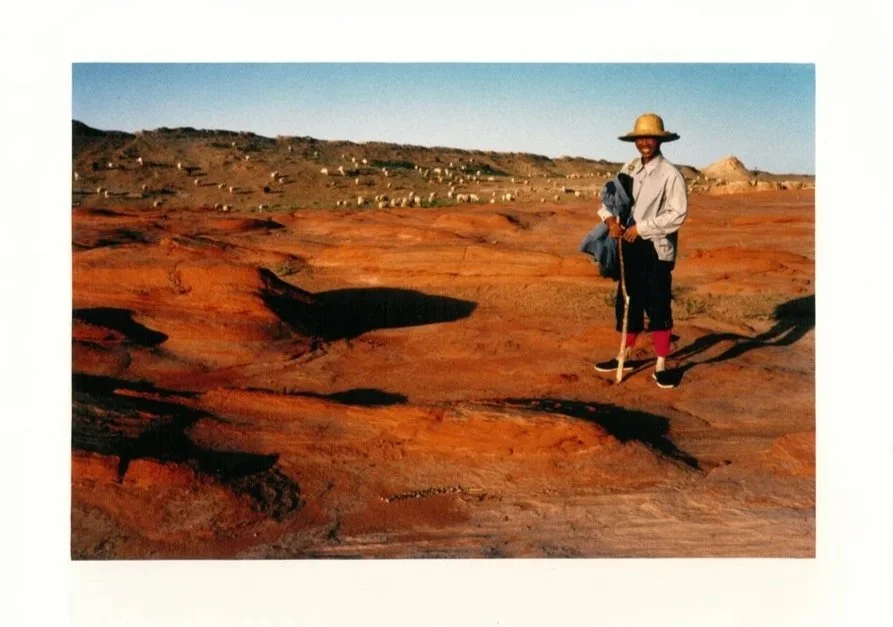
The Great Wall, 1988 / 2010
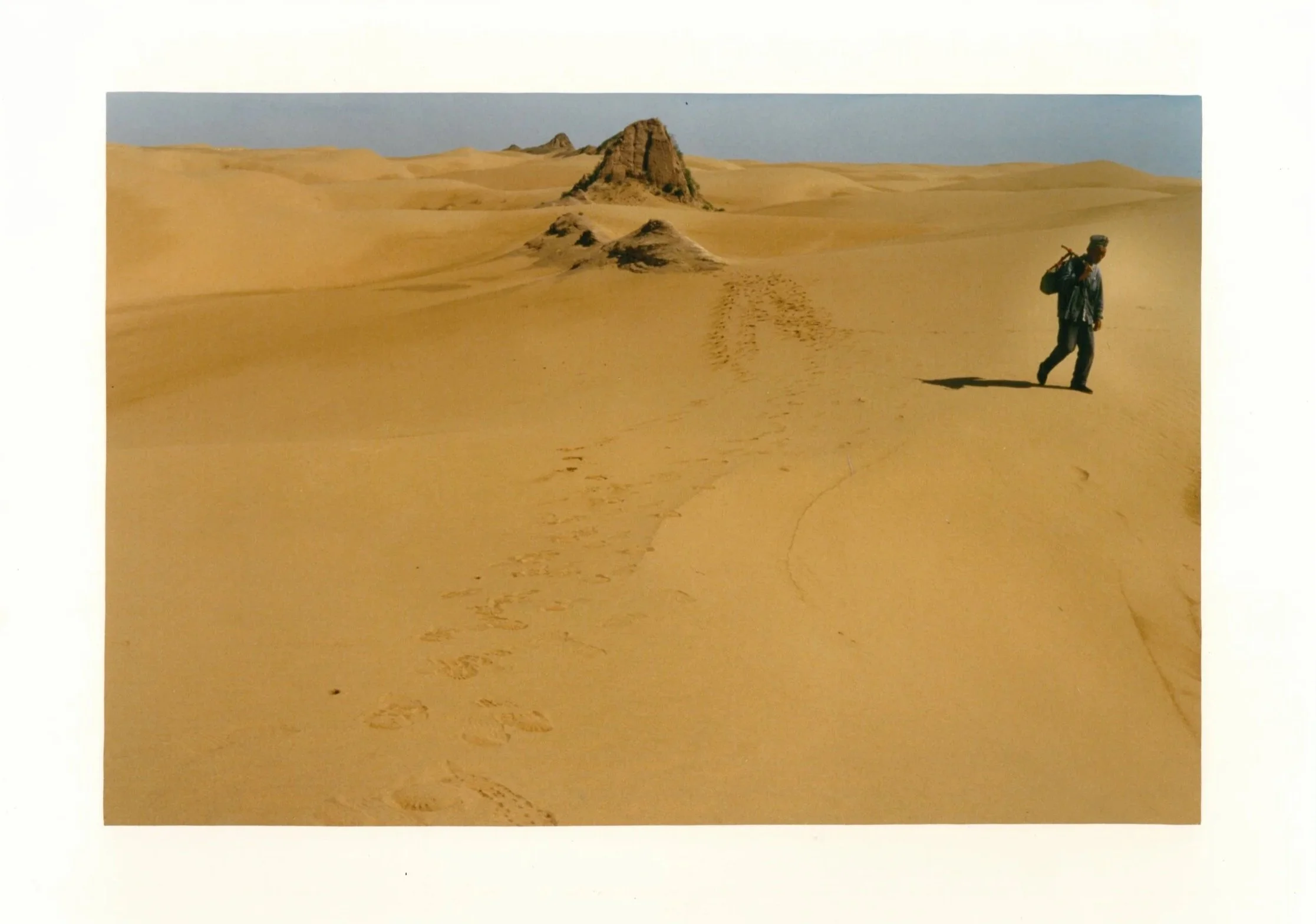
This work holds a “monumental” significance within the two artists’ twelve-year, soul-companion-like relationship. Presented as a dual-channel video, it depicts their separate journeys beginning from opposite ends of the Great Wall, walking toward each other, meeting in the middle, planning to marry, yet ultimately parting ways. “Its intention, form, and content—as well as its origin as a wild and romantic idea—stand in sharp contrast to the notion of ‘landscape.’” Notably, this is the first time the work has been shown in China.
Jenny Holzer
Inflammatory Essays
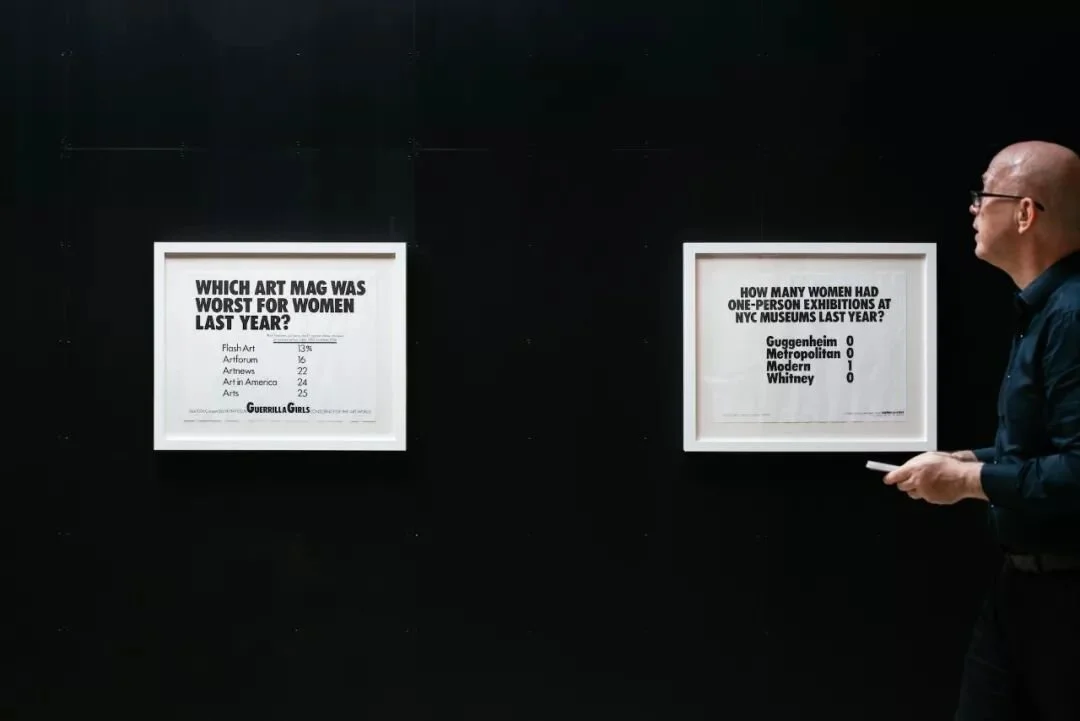
Among the extensive body of works by the Guerrilla Girls, the artists frequently employ advertising—especially banners and posters—as a visual language to deliver information quickly and directly. In 1989, their now-iconic poster Do Women Have to Be Naked to Get into the Met. Museum? first appeared in the form of bus advertisements on New York City public buses. Meanwhile, their poster series The Advantages of Being a Woman Artist uses wit and sharp satire to critique the many double standards that permeate the art world and other fields.
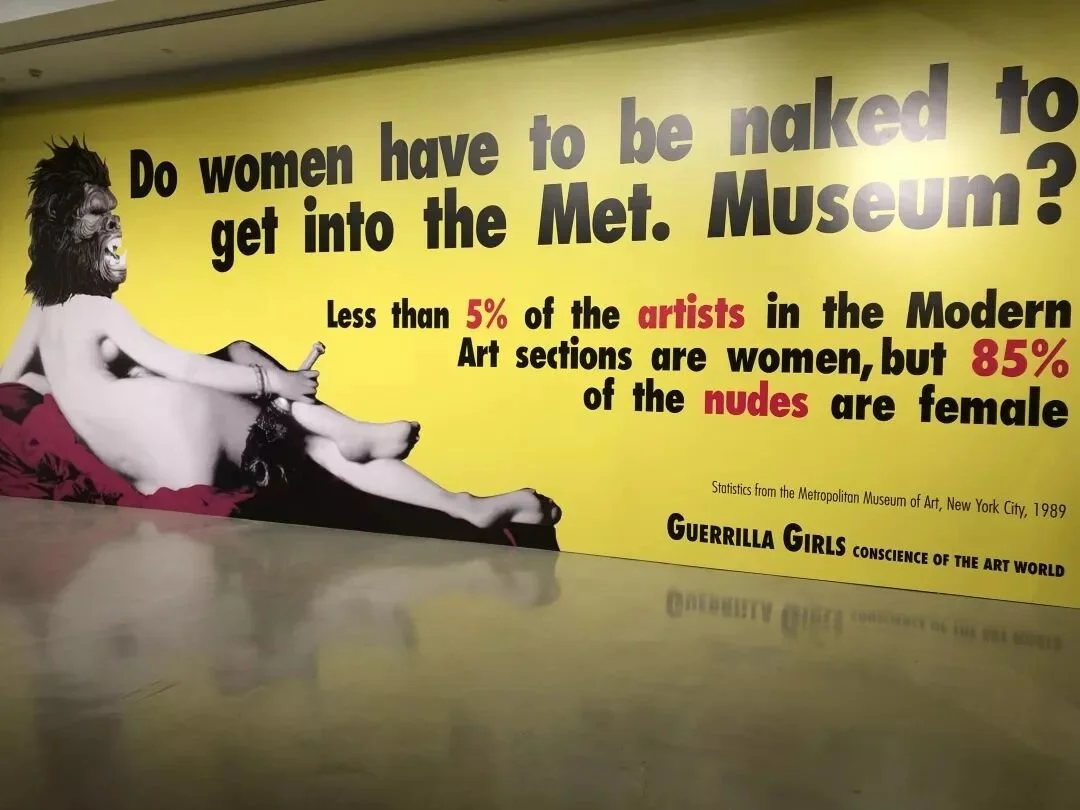
Guerrilla Girls | Do Women have to be Naked to Get into the Met. Museum?
Chen Chieh-Jen
Factory
In the late 1980s in Taiwan, Chen Chieh-jen engaged in guerrilla-style performance art. After 1987, he ceased artistic production for eight years, only resuming his practice in 1996. Collaborating with unemployed workers, temporary laborers, and jobless youth, he constructed fictionalized scenes using discarded materials to create his photographic works. Through this process, he offered alternative modes of “re-imagination” and “re-narration” of histories and contemporary realities that had been progressively obscured under neoliberalism.
Joseph Beuys | I Love America and America Loves Me
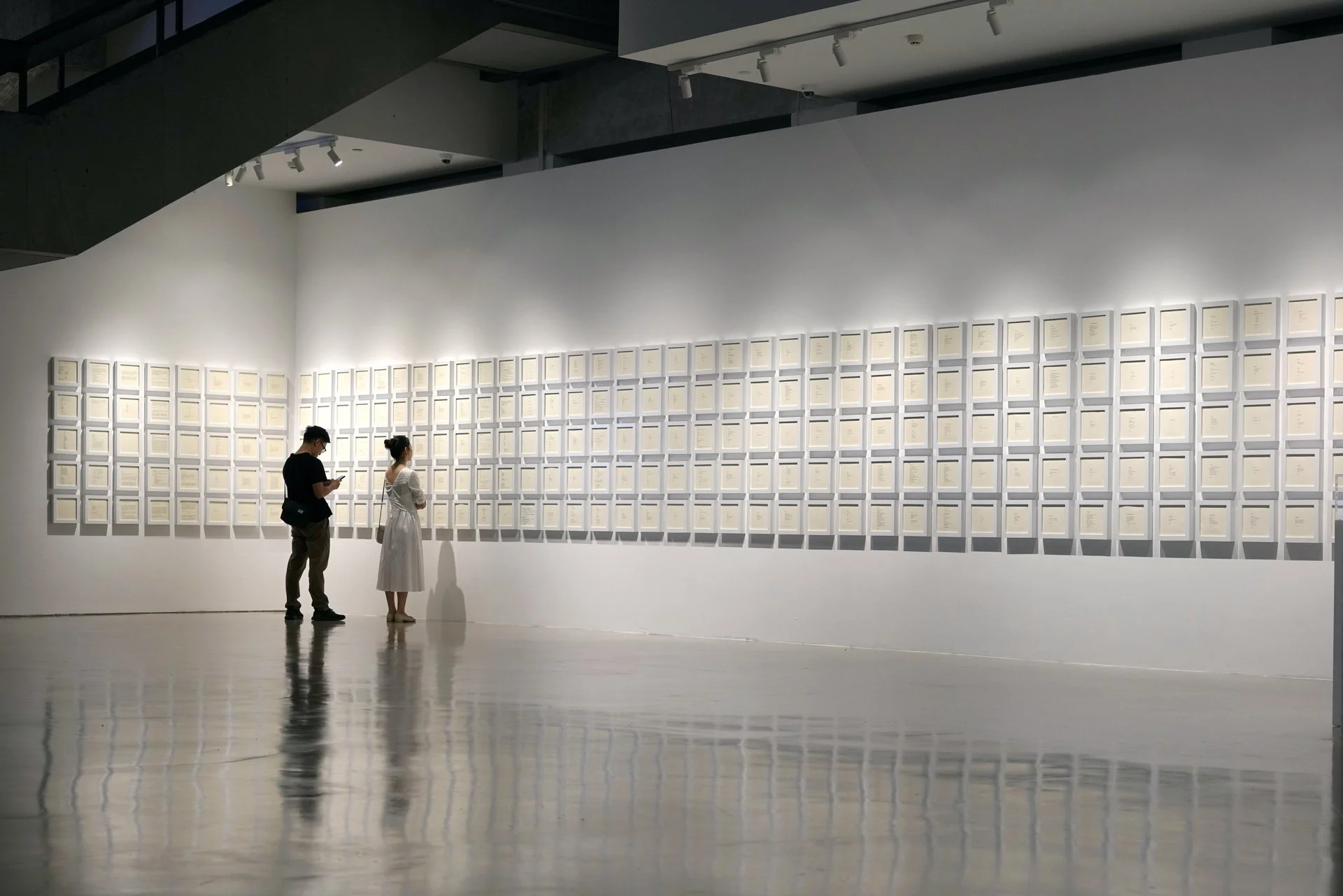
Yoko Ono
Grapefruit, 1953–1964 / 2016
Able to stand today as a beacon of conceptual art, this poetic and powerful “DIY” guide enables us to understand, reflect on, and imagine forms of art that lead us beyond ourselves, while inspiring us to uncover our own creative potential.
K Foundation
Burning a Million Pounds, 1994
Most of the works presented in the Ways of Seeing exhibition are underpinned by artistic theories shaped by the spirit of Marcel Duchamp’s readymade Fountain. For instance, in 1994, the artist collective K Foundation created the striking and still controversial work Burning a Million Pounds, in which members Jimmy Cauty and Bill Drummond burned one million pounds in cash at the conclusion of their performance. This iconic work not only challenged human courage but also became a symbolic monument, continually prompting reflection on the relationship between art and life, as well as the role of money and capital in our lives.
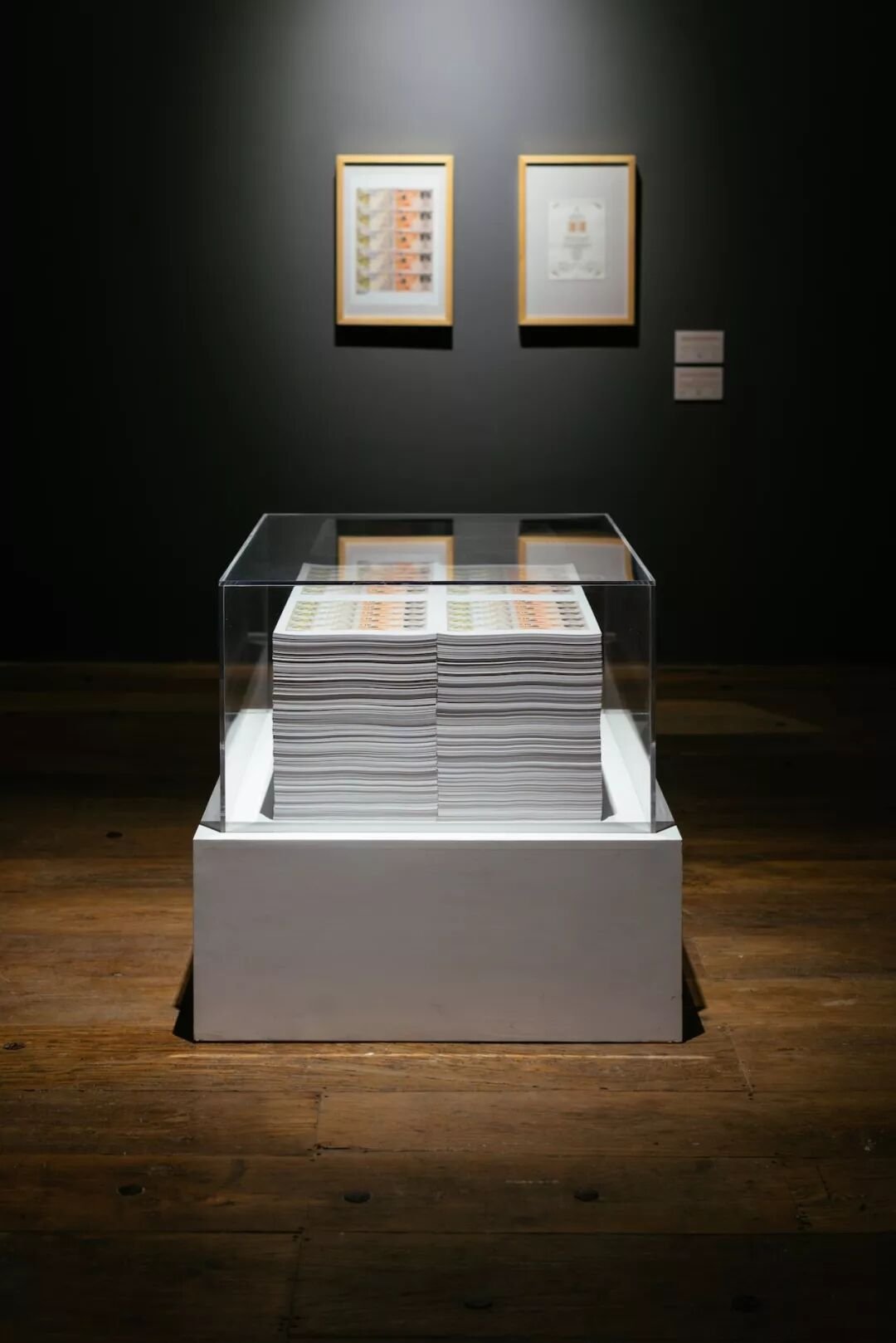
Banksy | Di-Faced Tenner
Huang Rui | Sound Key Words
Allan Kaprow
How To Make A Happening
Allan Kaprow played a pivotal role in the emergence and development of avant-garde art forms in the 1960s, including happenings, installation art, and environmental art. Kaprow pioneered an entirely new artistic form that he termed the “happening,” which moved beyond the realm of physical artworks to emphasize actions, processes, and the active participation of performers and audiences.
How to Make a Happening is an artwork created by Kaprow in 1965. Seemingly simple yet profoundly influential, it presents eleven principles instructing readers on how to create a happening. The work holds significance in several respects: not only was it the first artwork to use a vinyl record as a medium to intervene in the public realm, but its conceptual minimalism also set it apart from conventional instructional or explanatory materials typically used for teaching.
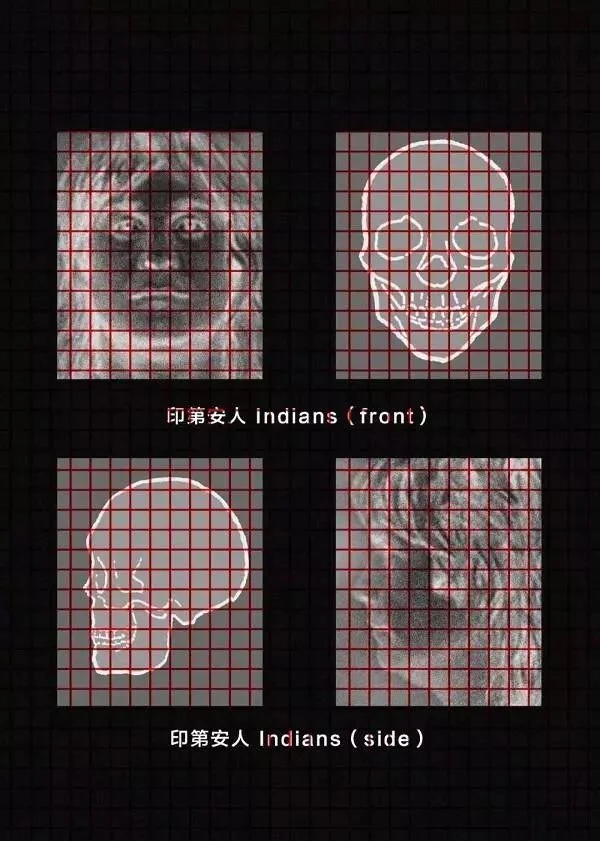
Wang Guangyi | Research on Popular Anthropology
Ulay
Irritation, Da ist eine ‘kriminelle’ berührung in der kunst
Allan Kaprow played a pivotal role in the emergence and development of avant-garde art forms in the 1960s, including happenings, installation art, and environmental art. Kaprow pioneered an entirely new artistic form that he termed the “happening,” which moved beyond the realm of physical artworks to emphasize actions, processes, and the active participation of performers and audiences.
How to Make a Happening is an artwork created by Kaprow in 1965. Seemingly simple yet profoundly influential, it presents eleven principles instructing readers on how to create a happening. The work holds significance in several respects: not only was it the first artwork to use a vinyl record as a medium to intervene in the public realm, but its conceptual minimalism also set it apart from conventional instructional or explanatory materials typically used for teaching.
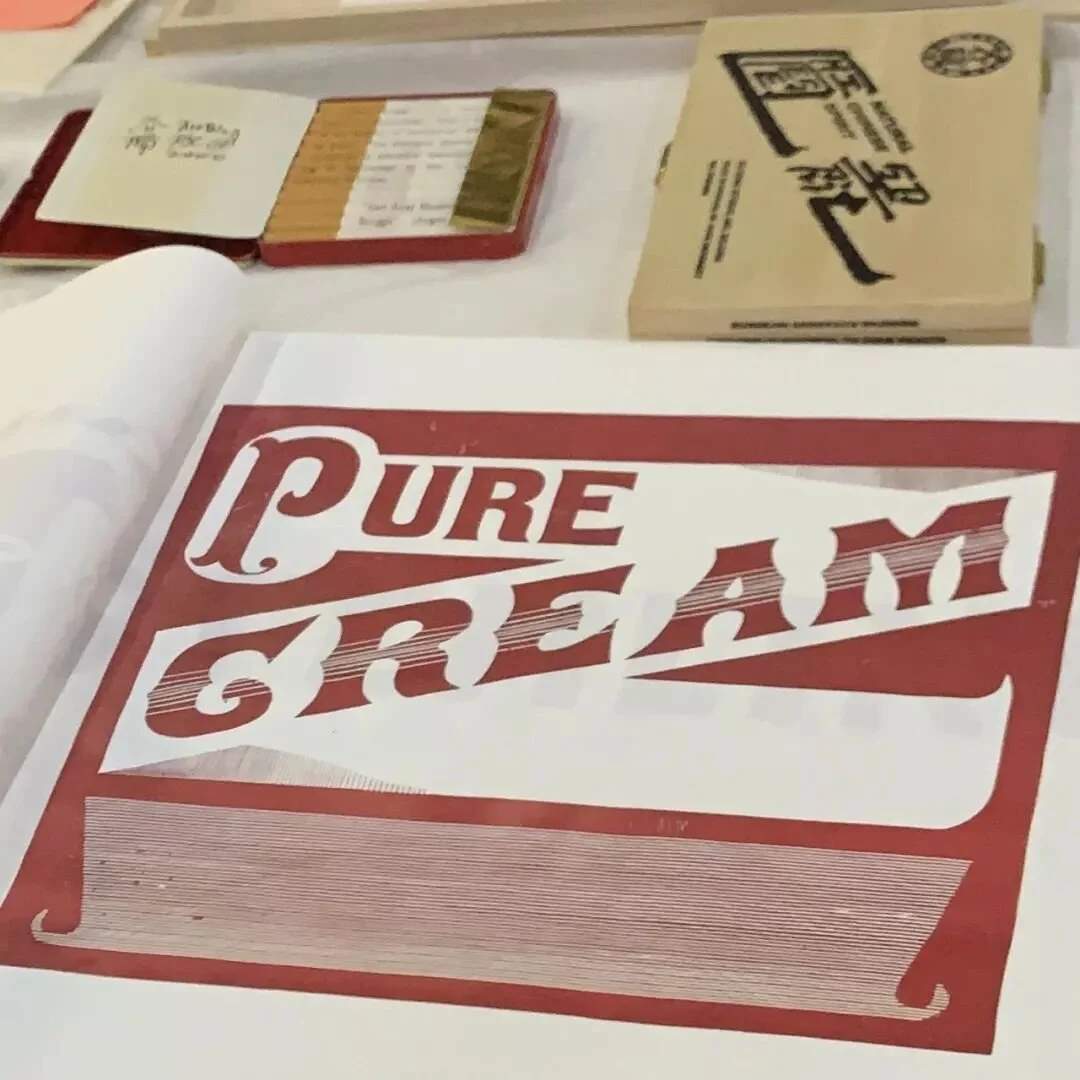
Xu Bing | Tabacco Project Mao Red Book
Alfredo Jaar
Culture = Capital
Born in 1956, Alfredo Jaar is a Chilean artist, architect, and filmmaker who lives and works in New York. Nearly all of his works originate from political concerns, as Jaar consistently seeks to draw our attention to the political dimensions that lie beneath surface appearances. From the age of six to sixteen, he lived in Martinique in the Caribbean.
Among his many works of public intervention, the first was A Study on Happiness (1979–81), in which he placed billboards in public spaces asking a simple question: “Are you happy?” For Jaar, there is an intrinsic connection between art and thought: “I firmly believe that artists must be thinkers. It is we who create paradigms for understanding the world.” Culture = Capital articulates the inherent relationship between art, society, and politics.
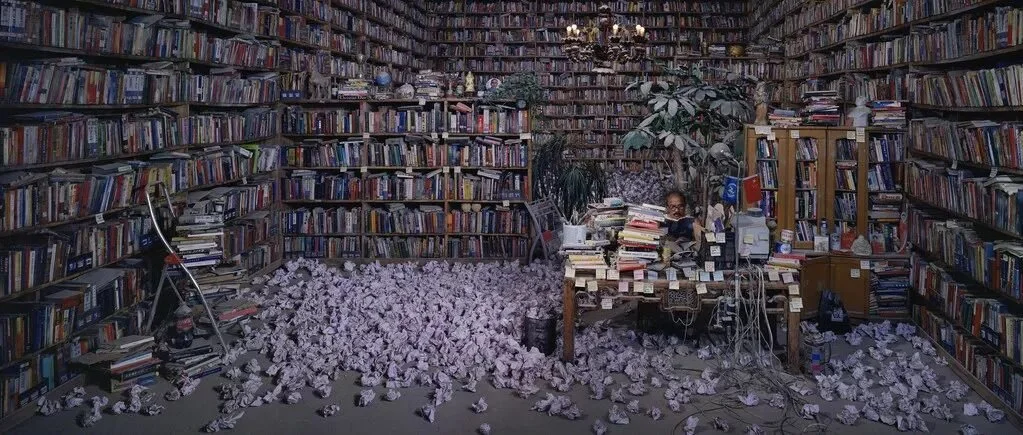
Wang Qingsong | Follow Him
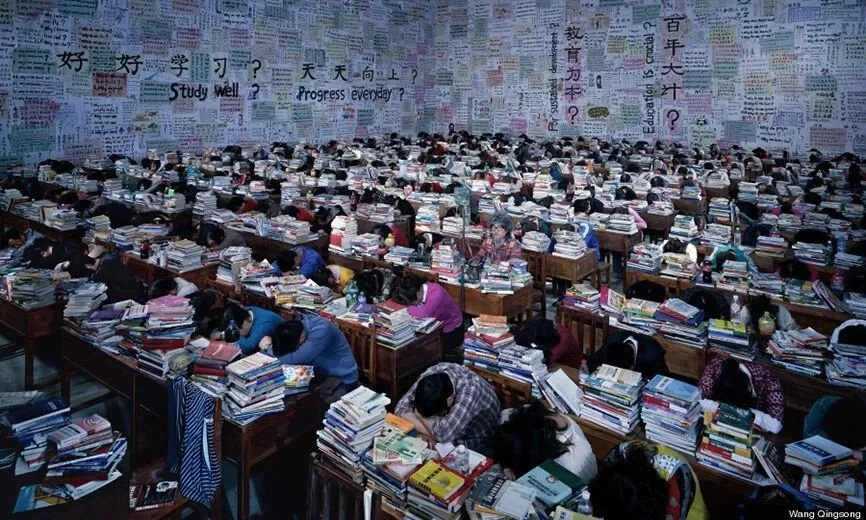
Wang Qingsong | Follow Him
He Yunchang
Eyesight Test
He Yunchang’s performance art addresses the human condition in various forms, with the concept of “hope” serving as a persistent and unifying theme. His gaze, thinking, and actions often direct themselves toward questions arising from life and the surrounding social environment, shaped by his reflections and beliefs. As a conceptual performance artist who never repeats himself, He continually creates new images and forms. At times, he uses the pain brought on by acts of extreme self-infliction as an expressive tool—an emblem of sacrifice and of being alive—to heighten the sense of presence in the moment. Profound, enigmatic, and poetic, his works embody a distinctive and expansive artistic vision.
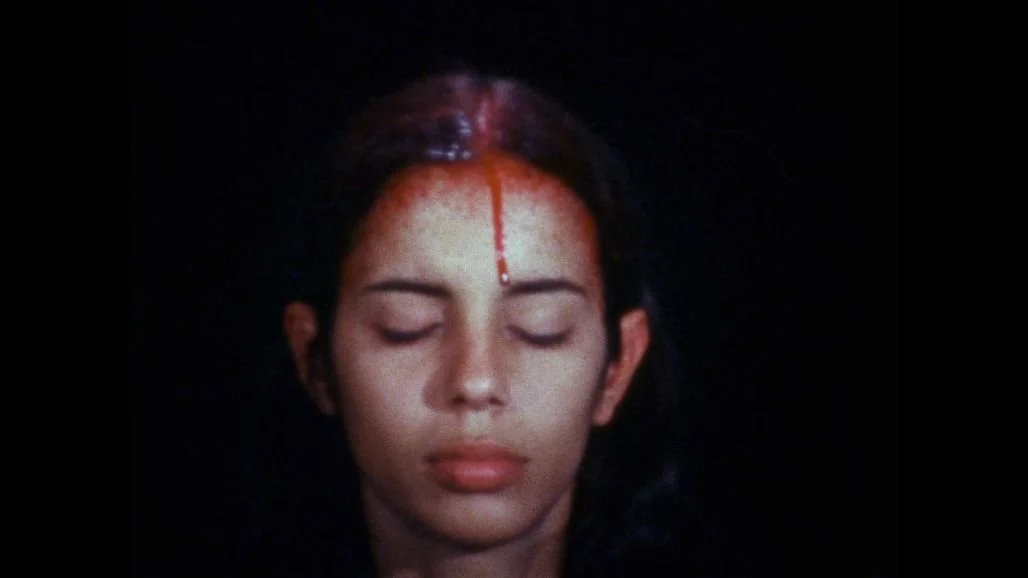
Ana Mendieta | Breathing Blood
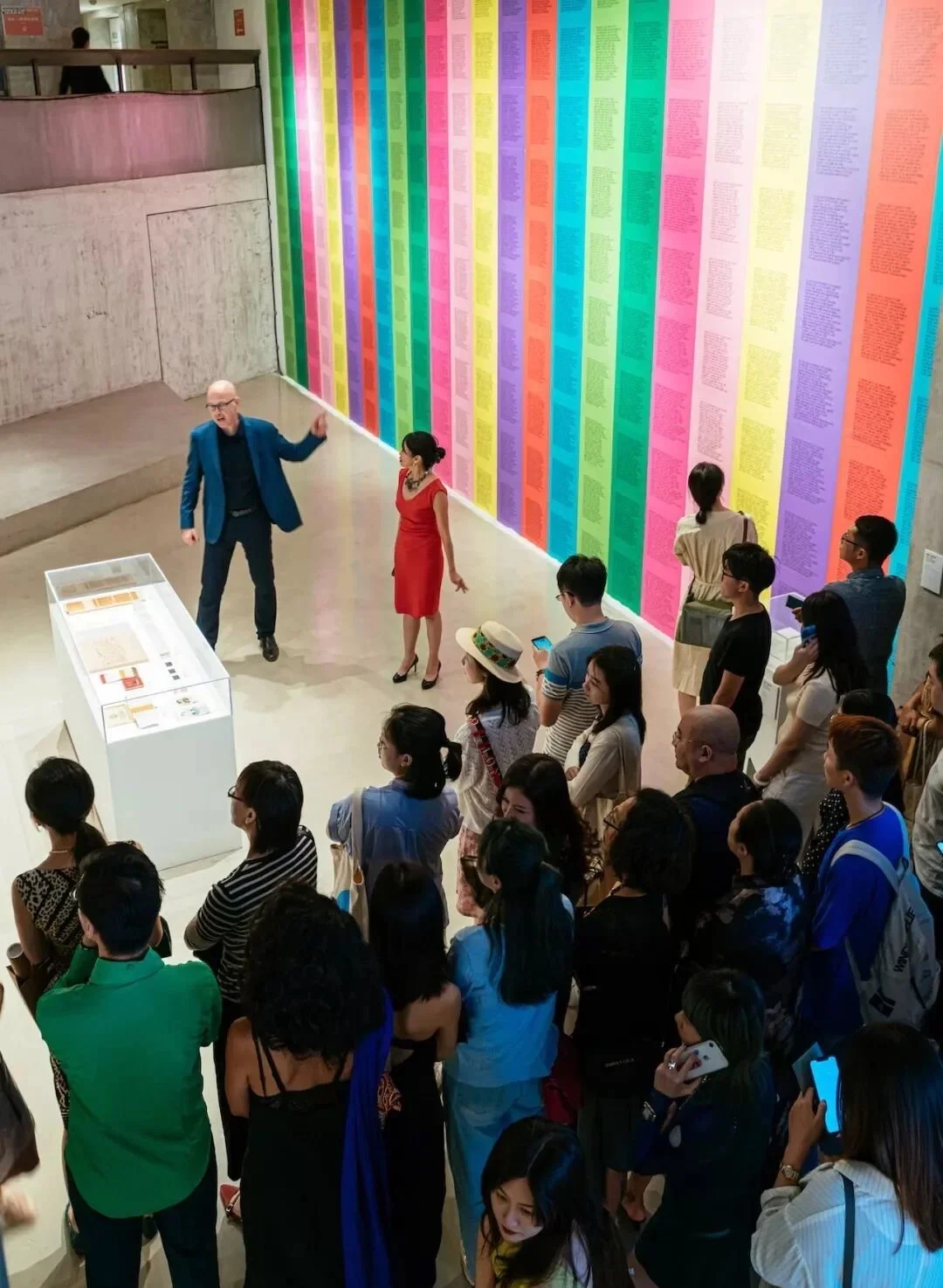
Jenny Holzer | Inflammatory Essays
Guerrilla Girls
Do Women Have to Be Naked to Get into the Met. Museum?, 1989
Among the extensive body of works by the Guerrilla Girls, the artists frequently employ advertising—especially banners and posters—as a visual language to deliver information quickly and directly. In 1989, their now-iconic poster Do Women Have to Be Naked to Get into the Met. Museum? first appeared in the form of bus advertisements on New York City public buses. Meanwhile, their poster series The Advantages of Being a Woman Artist uses wit and sharp satire to critique the many double standards that permeate the art world and other fields.
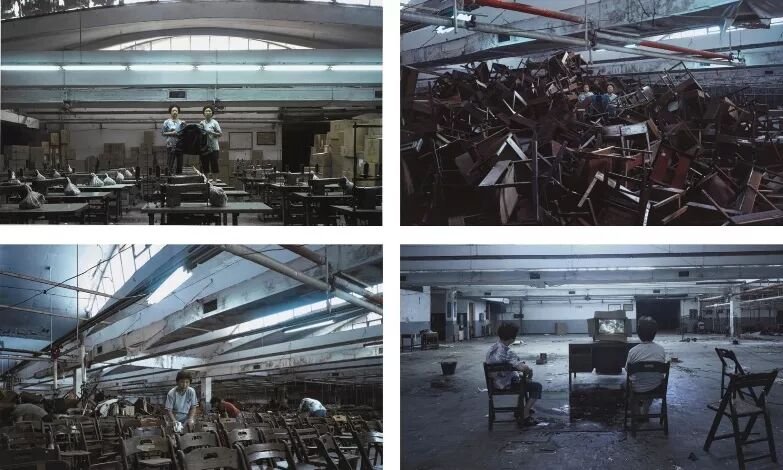
Chen Chieh-Jen | Factory
Huang Rui
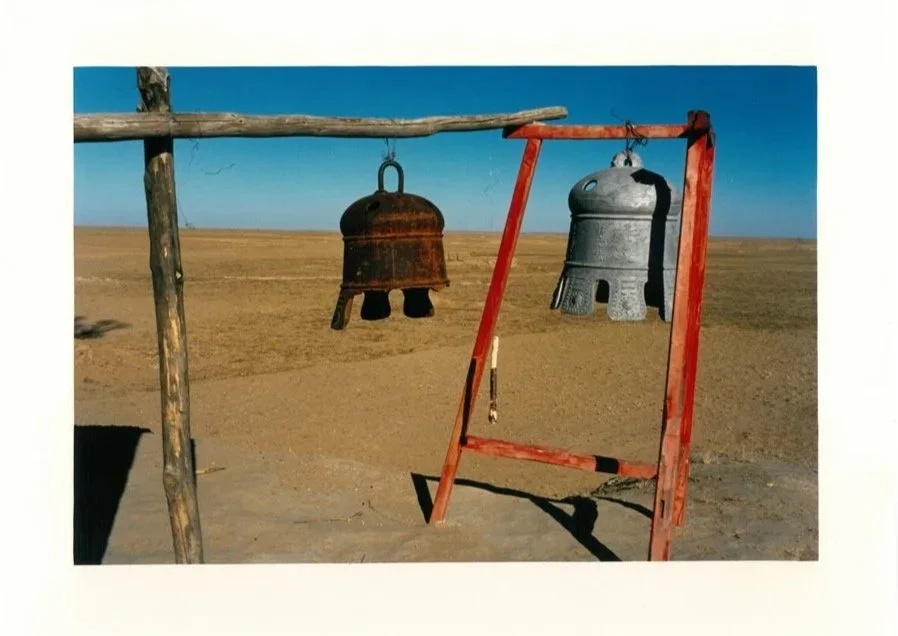
Sound Key Words
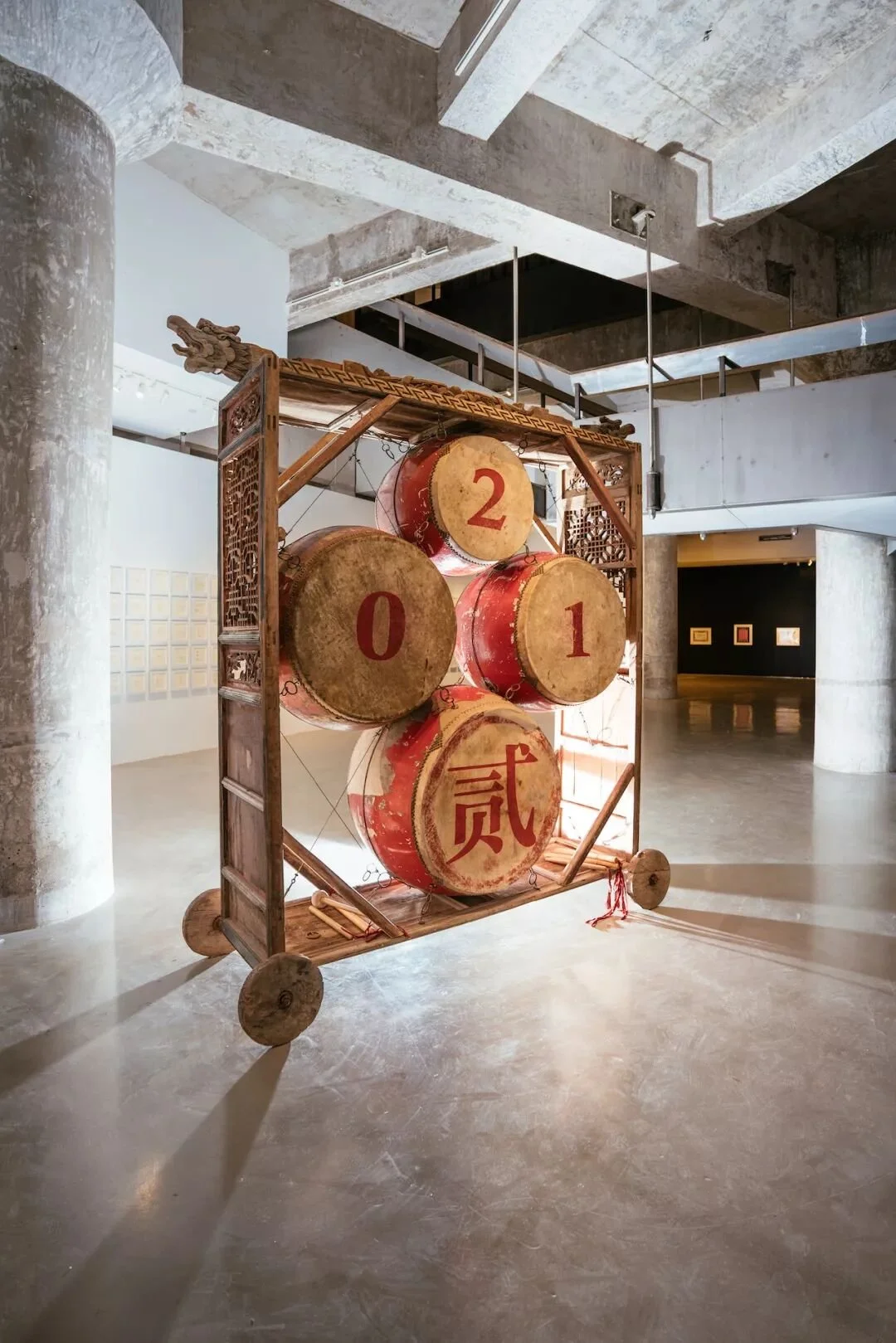
Huang Rui’s Key Words Inscription can be defined as a structure situated between installation and sculpture. It consists of a two-sided, three-dimensional assemblage that juxtaposes a traditional Beijing drum and a pair of cymbals with a Tibetan-style carved wooden frame.
Each drum and cymbal is printed with a single English or Chinese word or name—such as Barack Obama, Fidel Castro, financial crisis, or Beijing Olympics. By striking them, viewers “perform” with these words that refer to specific historical meanings, concepts, events, and figures. In performing the work, one grants it yet another life in the present moment. Key Words Inscription draws you into a dialogue of sound, liberating and illuminating individual freedom and creativity in the face of history and time.
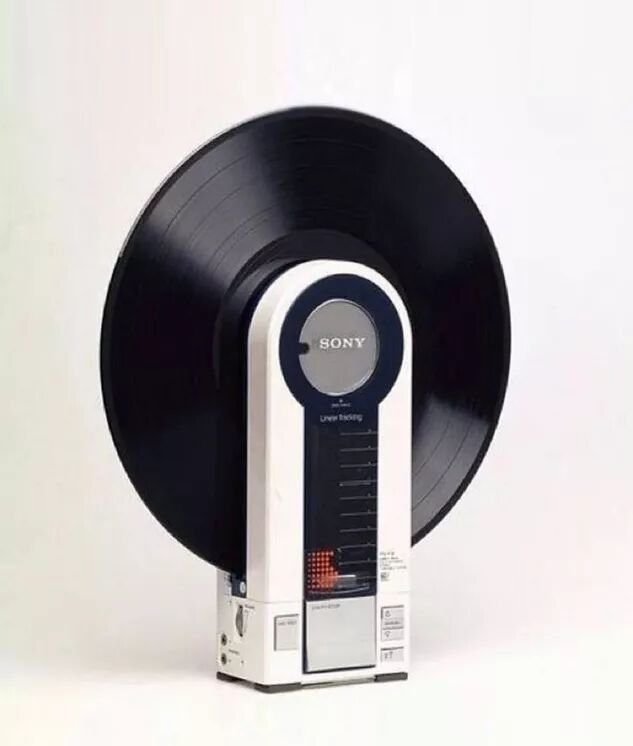
Allan Kaprow | How To Make A Happening
Wang Guangyi
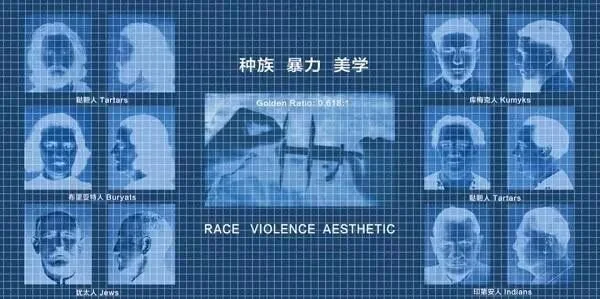
Research on Popular Anthropology
Research on Popular Anthropology uses the name of art and the methods of pseudo-science to reveal and unfold the multiple layers embedded in this question. The work consists of three parts: The Veil of Ignorance, Race, Violence, Aesthetics, and Race and Analysis. “Anthropology” is a form of knowledge through which humans investigate their origins and understand themselves; it is also a foundational text for religion. Different human groups hold different conceptions of their own existence, giving rise to complex systems of belief.
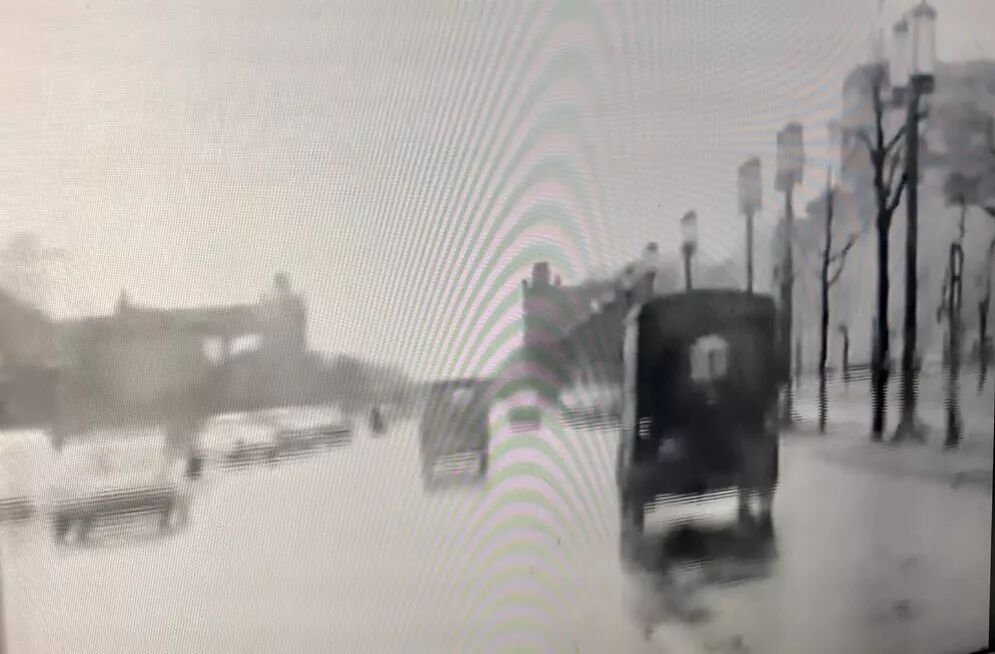
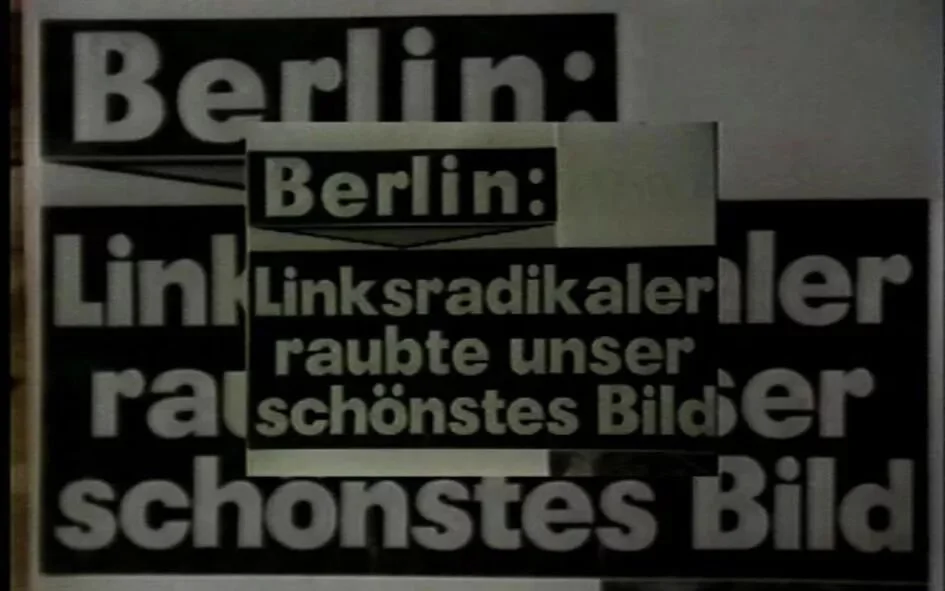
Ulay | Irritation, Da ist eine ‘kriminelle’ berührung in der kunst
Xu Bing
Tabacco Project Mao Red Boo
Red Book is part of Xu Bing’s series Tobacco Project: Durham, created in 1999 during his residency as an artist and lecturer at Duke University in Durham, North Carolina. As a non-permanent object, the cigarette—like language, thought, and ideology—carries multiple meanings, functions, and effects related to human desire and dependency. In a similar way, the Red Book acquires significance through its appearance among the public as a form of poetry and refined knowledge. is part of Xu Bing’s series Tobacco Project: Durham, created in 1999 during his residency as an artist and lecturer at Duke University in Durham, North Carolina. As a non-permanent object, the cigarette—like language, thought, and ideology—carries multiple meanings, functions, and effects related to human desire and dependency. In a similar way, the Red Book acquires significance through its appearance among the public as a form of poetry and refined knowledge.
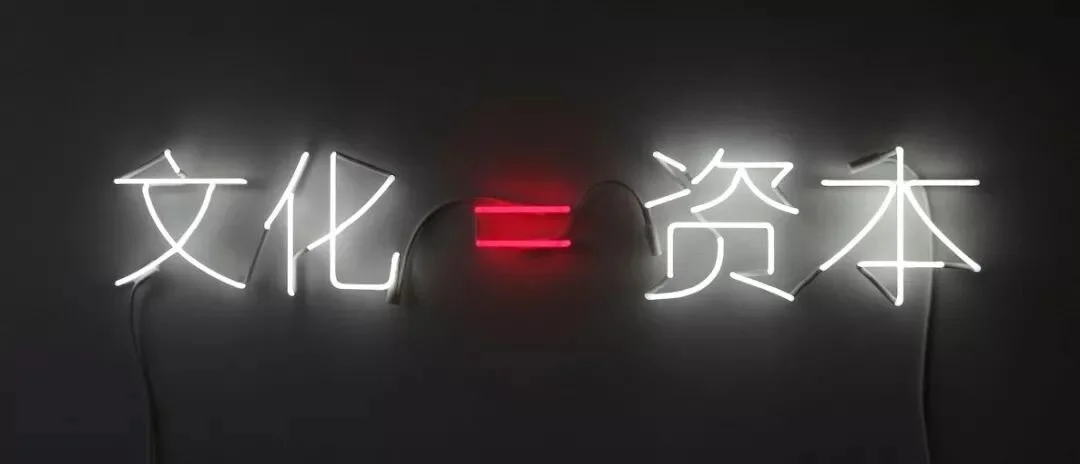
Alfredo Jaar | Cultule = Capital
Wang Qingsong
Follow Him
Wang Qingsong is a conceptual artist who primarily works with photography, while also engaging in video and performance art. He has gained widespread international recognition for transforming live-action scenes in the studio into photographic works that echo the cinematic widescreen scale of traditional Chinese handscrolls. In his works, he constructs monumental, stage-like settings reminiscent of large-scale performance events, often involving hundreds or even thousands of participants as models. Through these elaborate tableaux, he creates new points of entry between film and reality, poetry and monumentality, as well as art history and contemporaneity.
Wang’s Follow Him (2010) and Follow You (2013) revolve around a continuous thematic thread, signaled by symbolic elements such as teachers, students, books, blackboards, and extensive written text that appear within the images.
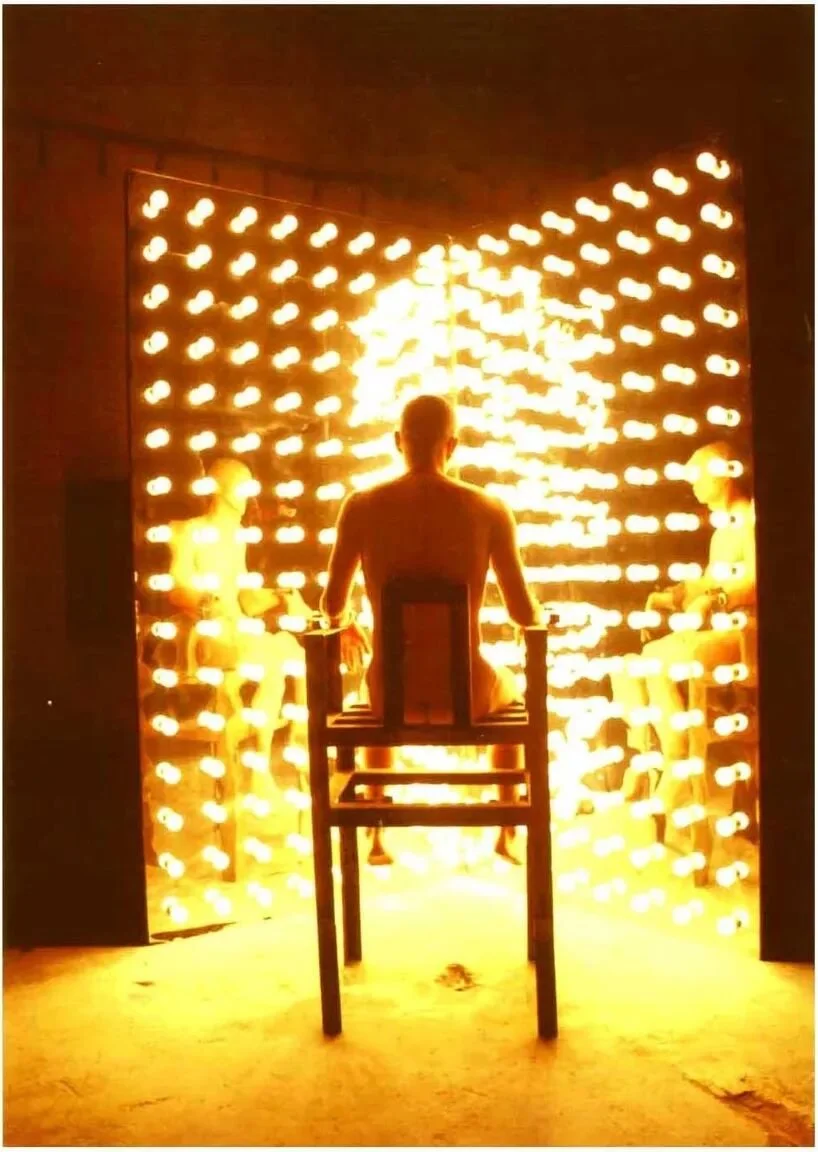
He Yunchang | Eyesight Test
Ana Mendieta
Breathing Blood
Ana Mendieta was born in 1948 in Havana, Cuba, and emigrated to the United States in 1966. She soon developed an interest in performance and conceptual art, and went on to produce groundbreaking works across photography, video, sculpture, and environmental installation. Mendieta played a pioneering role in the identity politics and feminist movements of the 1970s and 1980s.
Her distinctive use of the body and material—pressing her own body into earth, wood, fire, and water to leave traces, or visually dissolving herself into natural landscapes—quickly gained widespread attention. In her video work Blood Inside Me (Breathing), Mendieta appears unusually calm and serene, conveying a quiet yet potent sense of poetry and meditation.